





































































































































Yumnam Khemchand Singh Becomes Manipur CM Again
After nearly 18 months Manipur sees political movement as Yumnam Khemchand Singh sworn in chief minister and the state Assembly convenes again in Imphal

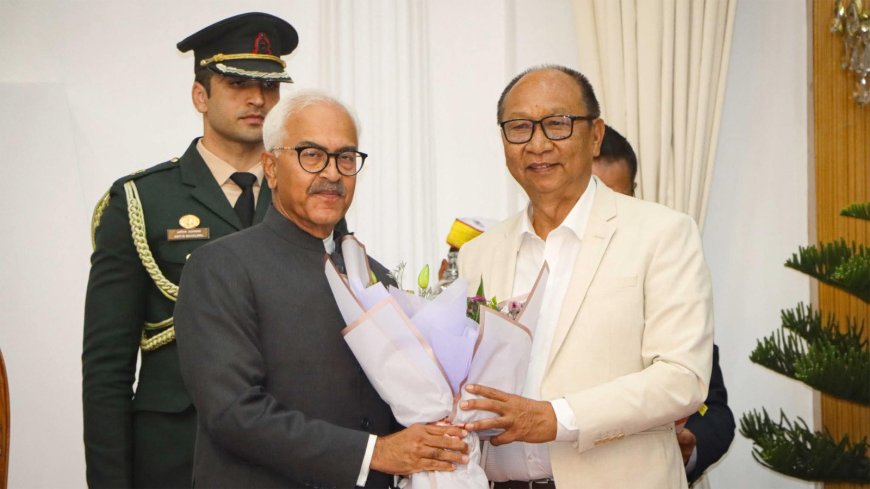
After being under President’s Rule for more than 18 months, the Manipur Legislative Assembly met for the first time on Thursday, 6 February 2026, at 4 pm, restoring elected government in the northeastern Indian state. The session was called just one day after Yumnam Khemchand Singh was sworn in as Chief Minister of Manipur following the revocation of direct central rule.
The reconvened session marked the first time the legislature sat since August 12, 2024. President’s Rule had been in place since 13 February 2025, after political instability made it impossible for a state government to function.
Why President’s Rule Was Imposed and How It Ended
President’s Rule was imposed in February 2025 following the resignation of then-Chief Minister N. Biren Singh amid intense ethnic conflict within the state. The ethnic clashes, primarily between the Meitei majority and Kuki-Zo communities, had escalated since May 2023, triggering repeated breakdowns in governance and public order.
Under Article 356 of the Constitution, the Union government assumed direct control through Governor Ajay Kumar Bhalla, placing the state under central administration and suspending the Assembly’s functioning.
Efforts to end President’s Rule intensified over late 2025 and early 2026 as political parties, including the National Democratic Alliance (NDA) partners, pushed for restoration of a “popular government.” With political consensus reached, President’s Rule was formally revoked on 4 February 2026, clearing the way for the return of legislative governance.
Formation of the New Government Under Yumnam Khemchand Singh
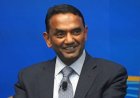
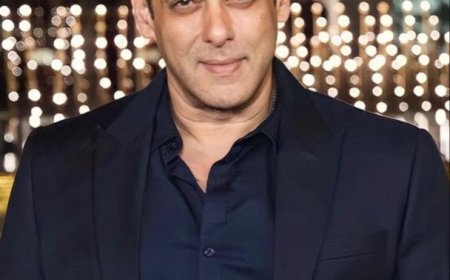
On 4 February 2026, Yumnam Khemchand Singh - a senior Bharatiya Janata Party (BJP) leader and two-time MLA from the Singjamei constituency was sworn in as the 13th Chief Minister of Manipur.
Mr Singh’s elevation followed his unanimous election as leader of the BJP legislative party in New Delhi earlier that day. His appointment ended nearly a year of direct rule from the Centre.
Governor Ajay Kumar Bhalla administered the oath of office and secrecy to Mr Singh and his ministers at Lok Bhavan in Imphal. Members of the NDA-led alliance, including the BJP, supported his government’s formation.
The new Cabinet includes leaders from allied parties, aiming to reflect a wider political base. Among ministers sworn in were representatives from the National People’s Party (NPP) and the Naga People’s Front (NPF).
Assembly Session and Confidence Vote
The session convened on 6 February 2026 was marked by the introduction and successful passage of a confidence motion presented by the newly formed government. Although some Kuki-Zo MLAs did not physically attend the House, debate and voting were carried out, confirming the government’s majority in the 60-member Assembly.
The participation of legislators from different ethnic regions was mixed, reflecting continued divisions. Some lawmakers joined proceedings virtually, while others stayed away due to security and political concerns.
Political and Social Dynamics
The return of the Assembly has not ended political contention in Manipur. There are active protests and shutdowns in some districts, including Churachandpur, where opposition groups have voiced strong objections to certain MLAs joining the government.
Additionally, civil bodies representing the Kuki-Zo communities have announced social boycotts against legislators who supported the new government, intensifying tensions in hill districts.
These factions highlight the fragile relationship between political realignments and community response, illustrating that restoring formal governance does not instantly resolve unresolved grievances.
Economic Implications of Political Transition
Manipur’s political uncertainty over the past 18 months has weighed on economic sentiment and public investment. Prolonged unrest disrupted local markets, agricultural cycles, and supply chains. While comprehensive state-level statistics are forthcoming, economic observers point to slowed trade activity and reduced investor confidence compared with national averages for northeastern states.
The restoration of a functional government is expected to:
- Resume budgetary oversight and legislative approvals for development spending.
- Accelerate funding allocations in sectors such as infrastructure, education, and healthcare.
- Stabilise business sentiment, potentially attracting private investment in transport and logistics sectors.
The incoming Government’s focus on inclusive governance and community engagement may support renewed economic growth, particularly in previously unrest-affected districts.
Policy Priorities and Official Statements
Chief Minister Yumnam Khemchand Singh has articulated priorities emphasising peace, cross-community cooperation, and governance continuity. In his first Cabinet meeting, which took place shortly after his oath, Mr Singh stressed the need for collective efforts to advance stability and normalcy across Manipur.
His administration is prioritising:
- Law and order reforms
- Rehabilitation for displaced families
- Reactivation of stalled infrastructure projects
- Enhancement of service delivery in rural development and education
These measures aim to rebuild public confidence and improve basic service access throughout the state’s diverse regions.
The Assembly’s reconvening represents a major constitutional and political milestone for Manipur. It reestablishes elected governance after an extended period of central control, addressing legal and administrative requirements under the Indian Constitution.
However, the path ahead involves navigating entrenched ethnic divisions, political opposition, and social unrest. The government must demonstrate not just legislative legitimacy but also capacity in policy delivery and restoration of everyday stability for citizens.
Success in uniting different communities, coupled with sustained economic activity and governance responsiveness, will be central to consolidating political normalcy and enhancing long-term prospects for Manipur’s development.
What's Your Reaction?
 Like
0
Like
0
 Dislike
0
Dislike
0
 Love
0
Love
0
 Funny
0
Funny
0
 Angry
0
Angry
0
 Sad
0
Sad
0
 Wow
0
Wow
0