
RBI Policy: Repo Rate Held at 5.25% in Feb 2026
RBI policy keeps repo rate at 5.25% in February 2026. MPC maintains neutral stance amid steady inflation and growth outlook.
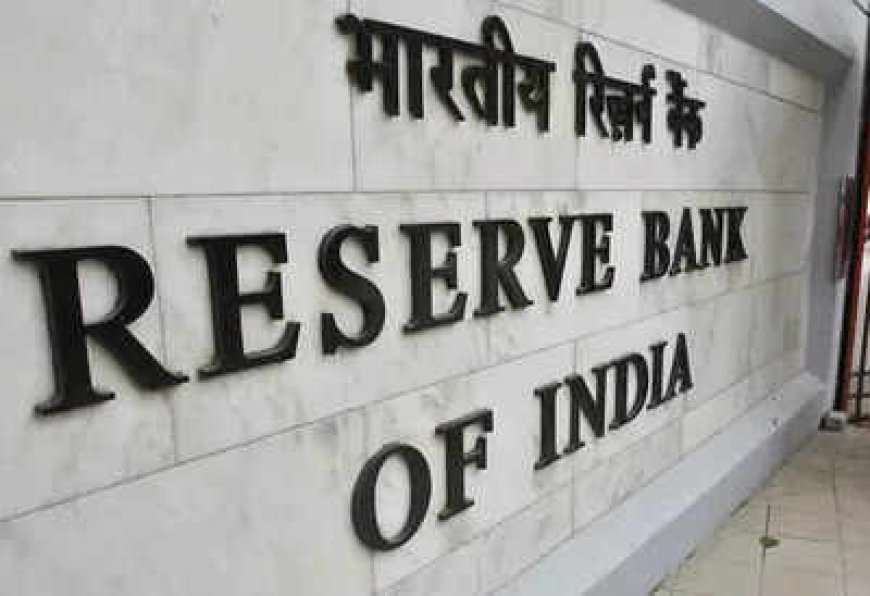
In its first Monetary Policy Committee meeting of 2026, the Reserve Bank of India (RBI) decided to keep the key policy repo rate unchanged at 5.25%. RBI Governor Sanjay Malhotra announced the decision after the MPC deliberated on inflation, growth projections, global developments and domestic economic trends. This policy outcome reflects a cautious but data-driven approach by India’s central bank, balancing the need for economic support with the aim of maintaining price stability.
The repo rate is the rate at which commercial banks borrow money from the RBI against government securities. An unchanged repo rate means the cost of borrowing for banks remains stable, which in turn influences loan rates, deposit rates, and interest costs for households and businesses. By keeping the rate steady, the RBI signalled continuity in monetary settings during a period of uneven global growth and domestic economic resilience.
Read More:- India–US Trade Deal Resets Tariffs and Markets
Neutral Stance and MPC Decision
The six-member Monetary Policy Committee (MPC) maintained a neutral stance in its policy statement. A neutral stance indicates that the RBI is neither pushing for tighter monetary conditions nor actively easing them further. Instead, policymakers chose to monitor incoming data on inflation, growth, and liquidity before making further adjustments to the broader rbi policy framework.
Governor Malhotra noted that inflation remained within the central bank’s target range, exhibiting controlled growth pressures.
Retail inflation has stayed below the RBI’s 4% midpoint for several months, largely supported by soft food prices and stable energy costs. At the same time, some segments of inflation might edge higher as seasonal price adjustments take place in early 2026.
Beyond inflation data, GDP growth projections influenced the policy outlook. The RBI’s updated estimates suggest that India’s economy is likely to grow at a robust pace for the current financial year. Bloomberg and Reuters reports noted that policymakers revised the outlook marginally higher, reflecting resilience in domestic demand and trade activity.
Why RBI Policy Paused on Repo Rate
Experts pointed to several factors behind the MPC’s decision not to alter the repo rate:
- Inflation under control: With headline CPI inflation hovering well below the RBI’s 4% target, pressures on consumer prices remain contained despite volatility in global markets.
- Growth momentum: Economic indicators show steady expansion, supported by strong performance in the services sector and increased government spending. Revived trade agreements with major partners like the United States and the European Union have added to export competitiveness.
- Past rate cuts transmission: Since early 2025, the RBI has eased the benchmark interest rate multiple times, bringing the repo rate down cumulatively by 125 basis points. The central bank may prefer to allow these earlier cuts to work through the financial system before considering further adjustments.
- Global uncertainties: External headwinds, such as uneven global monetary policies and geopolitical tensions, also factored into the MPC’s deliberations. Maintaining the status quo helps shield India’s economy from abrupt shifts in global capital flows.
Impact of the Policy Decision
An unchanged repo rate under the current rbi policy has direct and indirect effects across the economy:
Borrowers and Financial Markets
For borrowers, a stable repo rate means that equated monthly instalments (EMIs) on housing loans, vehicle loans, and business credit are expected to remain steady in the short term. Fixed deposit rates may also stay at similar levels, offering predictability for savers and conservative investors.
Equity markets reacted cautiously, with some stock indices showing slight declines following the RBI announcement. Market participants often interpret stable interest rates as a sign of slower momentum in policy easing, which can influence investor positioning across sectors.
Liquidity and Banking Sector
The central bank also emphasised liquidity management in its policy statement. While the repo rate was unchanged, the RBI indicates it will actively manage liquidity conditions to ensure smooth credit flows across the banking system. This includes pre-emptive operations in money markets when needed.
RBI Policy Outlook
Looking ahead, the RBI reiterated that its monetary stance is data-dependent. The committee will continue to watch inflation trends, changing macro conditions, and the pace of economic activity. Any future adjustments to the rbi policy will be based on clear evidence of inflation deviation or economic imbalance, rather than preset timelines.
This policy review marks a balance between supporting sustained growth and containing price pressures, reflecting the RBI’s broader mandate to maintain financial stability while promoting economic welfare.
What's Your Reaction?
 Like
0
Like
0
 Dislike
0
Dislike
0
 Love
0
Love
0
 Funny
0
Funny
0
 Angry
0
Angry
0
 Sad
0
Sad
0
 Wow
0
Wow
0

Vijay Chaudhary
I’m Vijay Chaudhary, a writer and author specializing in creative writing, blogs, and professional content. I write on business, ideas, and modern perspectives, focusing on clear, engaging, and well-structured storytelling. My goal is to create meaningful content that informs, connects, and adds real value for readers.