Why Did Silver Cross ₹4 Lakh/kg and What Comes Next?
Silver prices have crossed ₹4 lakh per kilogram. Learn why silver is surging, how markets are reacting, and what investors should watch next.
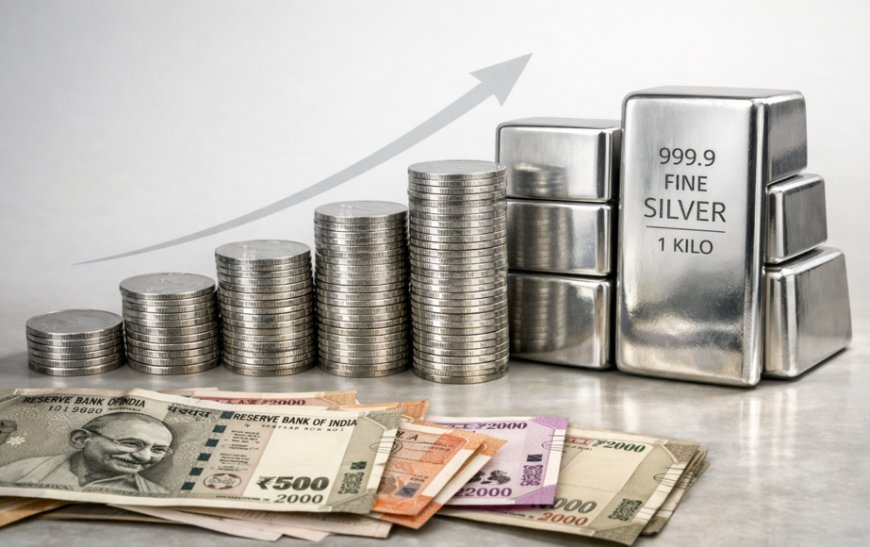
Precious metals markets in India have been in the spotlight this week after silver prices climbed to levels never seen before on the futures market. On Thursday, contracts for silver on the Multi Commodity Exchange (MCX) reached and exceeded ₹4 lakh per kilogram — a fresh all-time high that has drawn attention from investors, traders, industry analysts and policymakers alike. Such a milestone reflects a combination of domestic and global market forces that have been pushing bullion prices higher in recent months.
The move in silver has not occurred in isolation. It has coincided with a strong rally in gold futures, weakening of the Indian rupee against major currencies, and broader safe-haven demand for precious metals amid ongoing economic and geopolitical uncertainty worldwide. These trends are unfolding against a backdrop of fluctuating interest rates, shifting global trade conditions, and ongoing concerns about inflation and currency stability.
In this article, we explore what has driven silver to this record level, how it compares with gold’s performance, what it means for investors and industry, and what might lie ahead for precious metal markets.
Why Silver Has Climbed So Sharply
The recent surge in silver prices on the MCX has been attributed to several interlinked factors:
1. Strong Global Buying and Safe-Haven Demand
As major markets around the world face economic and geopolitical pressures, investors are allocating more capital to precious metals, which are traditionally viewed as hedges during periods of uncertainty. This dynamic often strengthens the prices of both gold and silver. In the case of silver, its dual role as an industrial metal and a store of value amplifies its appeal when both sentiment and industrial demand are robust.
2. Weakness in the US Dollar and Currency Fluctuations
The Indian rupee has been trading at relatively weaker levels against the US dollar in recent weeks. A depreciating rupee makes imports of dollar-denominated commodities such as silver more expensive, pushing domestic price levels higher. At the same time, a softer dollar globally makes precious metals more attractive to buyers, contributing to upward pressure on prices.
3. International Futures Leading Domestic Trends
Silver’s upward momentum on international exchanges has helped set the tone for domestic markets. COMEX silver futures have also been trading at elevated levels, reflecting broader global interest in the metal. These international trends often feed directly into Indian futures contracts and physical market pricing.
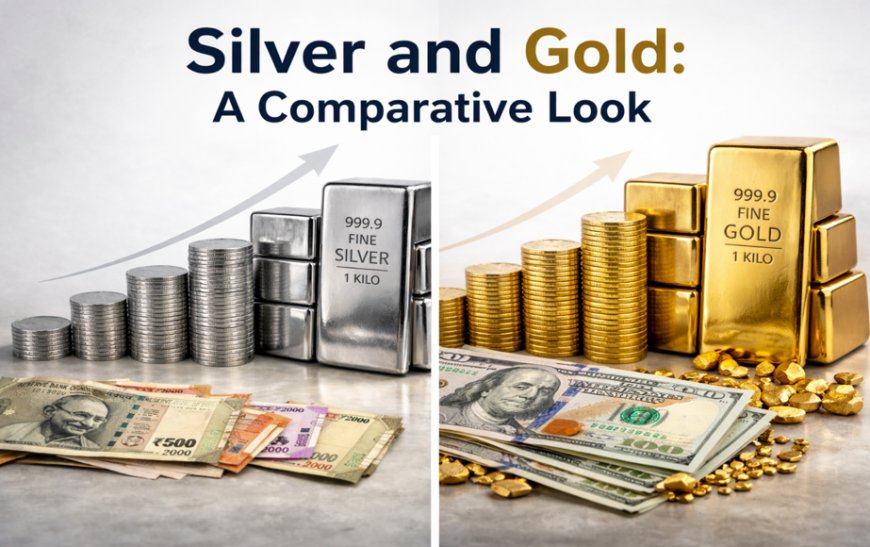
Silver and Gold: A Comparative Look
Although silver’s rally has been impressive, it has followed a pattern seen in gold markets as well. Gold has been hitting record or near-record prices in multiple trading sessions, indicating that precious metals more generally are benefiting from the same foundational trends.
For example, gold futures on the MCX touched lifetime highs near ₹1.8 lakh per 10 grams in the same session that silver breached the ₹4 lakh mark. Investment demand for gold often rises in tandem with silver during times of economic caution, though gold is more typically viewed purely as a store of value, whereas silver also has significant industrial applications.
Market Reactions and Broader Impact
Investor Sentiment and Trading Strategies
Record prices in silver have affected trading behaviour on commodity exchanges. Traders often adjust their positions in response to price momentum, technical indicators and macroeconomic data, while longer-term investors may view high prices as opportunities to reassess holdings, take profits or diversify positions. Some market commentators suggest tactical approaches such as profit booking or staggered investments to manage exposure in a volatile price environment.
Equity Market Responses
The rally in silver has had ripple effects on equities, particularly among companies tied to metal production and commodities. For example, shares of Hindustan Zinc, a major player in the metals sector, rose sharply as silver prices surged, reflecting how commodity price movements can influence broader market performance.
Industrial Demand Considerations
Unlike gold, silver has substantial industrial demand from sectors such as electronics, solar energy, and chemical manufacturing. A rise in industrial activity can support higher silver prices, while any slowing in industrial demand could dampen price momentum. Analysts closely monitor these sectors to gauge whether industrial demand will continue to bolster silver’s rally.
What This Means for Consumers and Buyers
For everyday consumers, particularly those purchasing silver jewellery or bullion in the physical market, record price levels may affect affordability and demand patterns. Higher futures prices generally translate to higher retail prices, which can dampen seasonal buying or discretionary purchases.
At the same time, investors and collectors may view these price levels as a reflection of broader economic uncertainty, prompting them to hold or increase positions in bullion as a store of value in challenging market conditions.
Short-Term versus Long-Term Perspectives
Short-Term Drivers
In the near term, prices remain sensitive to news around monetary policy, currency movements, geopolitical tensions, and shifts in investor sentiment. Announcements by central banks, movements in the US Federal Reserve’s interest rate outlook, and inflation data are especially influential.
Long-Term Factors
Longer-term trends are shaped by industrial demand, supply dynamics, global mining output, and structural shifts in commodity markets. Changes in technology and industrial applications of silver, such as in renewable energy systems, could influence demand fundamentals over the years ahead.
Expert Views and Cautionary Notes
Some analysts have cautioned that extreme rallies can be followed by periods of correction, particularly if speculative buying intensifies price movement beyond fundamentals. Others suggest that diversification, careful risk management and attention to macroeconomic signals remain critical for investors in precious metals.
Although strong price performance reflects real demand and market confidence in precious metals, no market trend is without risk. As always, participants are advised to consider their own risk tolerance and time horizon when engaging in futures markets or bullion purchases.
Outlook: What Might Come Next
Looking ahead, the interplay between global economics, monetary policy and geopolitical developments will continue to shape precious metals markets. With silver now having crossed the ₹4 lakh per kilogram threshold in Indian futures activity, attention will be on whether this level can be sustained, or whether prices will consolidate at higher or nearby levels.
Factors that could influence near-term movement include shifts in currency valuations, central bank decisions on interest rates, inflation trends, and developments in industrial sectors that use silver.
Conclusion
Silver’s journey to and beyond ₹4 lakh per kilogram on the futures market marks a notable moment in India’s commodity history. That milestone reflects a confluence of strong global cues, investor demand, currency impacts and broader economic conditions both at home and abroad. While this surge shows the strength of precious metals under prevailing market circumstances, it also underscores the importance of understanding the multiple forces at work for anyone tracking bullion or considering investment in these markets.
What's Your Reaction?
 Like
0
Like
0
 Dislike
0
Dislike
0
 Love
0
Love
0
 Funny
0
Funny
0
 Angry
0
Angry
0
 Sad
0
Sad
0
 Wow
0
Wow
0