


























































































































































How Flash Sales and Scheduled Broadcasts Boost Marketing
Discover how flash sales and scheduled broadcasts work together to perfect marketing timing, build urgency, increase conversions, and maximize overall campaign impact.
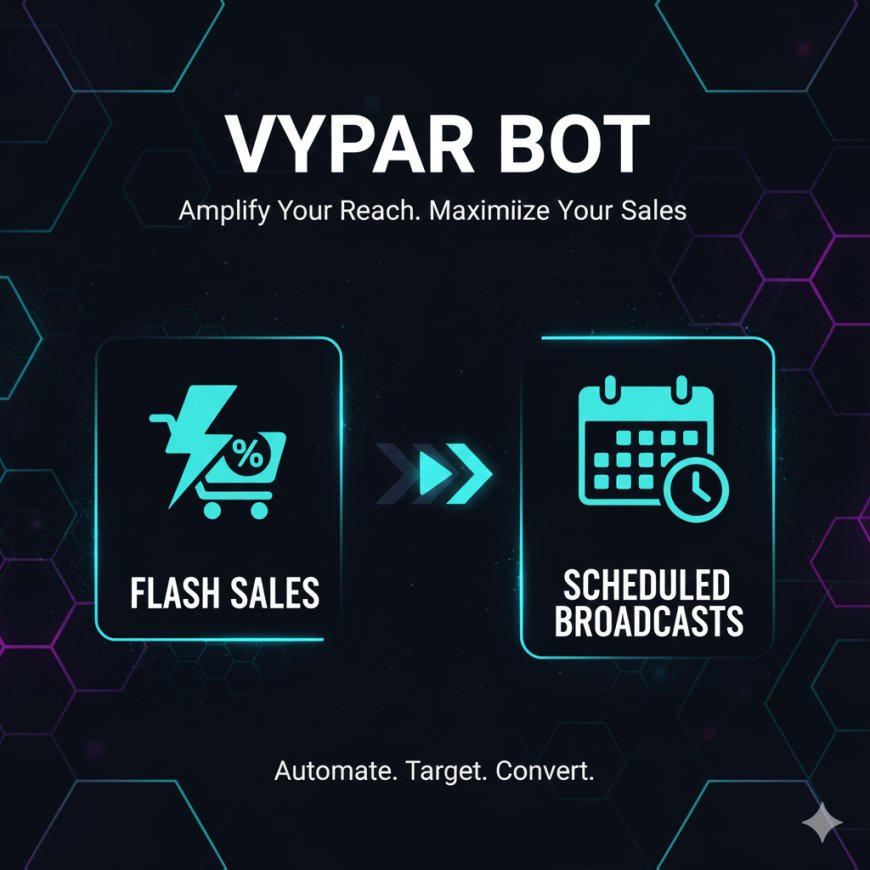

In digital marketing, timing can be the difference between a campaign that performs well and one that goes unnoticed. Even the most attractive offers fail if they reach customers at the wrong moment. This is where flash sales and scheduled broadcasts play a critical role. When combined strategically, they help businesses capture attention, create urgency, and drive faster purchasing decisions.
This article explores how flash sales work, why scheduled broadcasts matter, and how proper timing can turn short-term promotions into long-term growth opportunities.
Understanding Flash Sales in Modern Marketing
Flash sales are limited-time promotions designed to create a sense of urgency. These sales typically last for a few hours or a single day and offer discounts or exclusive deals that customers don’t want to miss.
The psychology behind flash sales is simple. When time is limited, people are more likely to act quickly rather than delay their decision. This urgency helps brands move inventory faster and attract high-intent buyers.
Why Flash Sales Work So Well
Flash sales are effective because they:
-
Encourage quick decision-making
-
Increase short-term sales volume
-
Re-engage inactive customers
-
Generate excitement around the brand
However, the success of flash sales depends heavily on when and how they are promoted.
The Role of Scheduled Broadcasts in Promotion
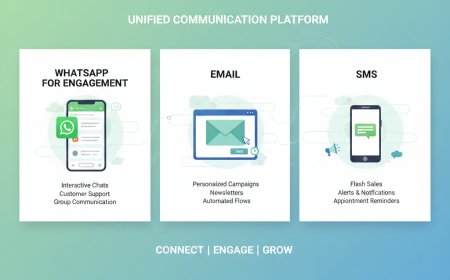
While flash sales create urgency, scheduled broadcasts ensure the message reaches the audience at the right time. A scheduled broadcast is a pre-planned message sent to a targeted audience through email, messaging apps, or SMS at a specific time.
Instead of sending messages randomly, scheduled broadcasts allow marketers to plan communication based on customer behavior, time zones, and peak engagement hours.
Benefits of Scheduled Broadcasts
Scheduled broadcasts help businesses:
-
Maintain consistent communication
-
Avoid last-minute errors
-
Reach customers during high-response periods
-
Coordinate multi-channel campaigns
When used correctly, scheduled broadcasts act as the engine that drives attention toward flash sales.
Timing Flash Sales for Better Results
Not all times are equal when it comes to launching flash sales. Understanding your audience’s habits is essential for choosing the right moment.
Best Times to Run Flash Sales
Some commonly effective timing strategies include:
-
Lunch hours or early evenings when users are active
-
Weekends for consumer-focused brands
-
Paydays or festive seasons
-
End-of-season or clearance periods
Launching flash sales during these periods increases the likelihood of immediate action.
How Scheduled Broadcasts Support Flash Sales
Scheduled broadcasts play a vital role before, during, and after a flash sale.
Before the Flash Sale
A scheduled broadcast can build anticipation by:
-
Announcing the upcoming sale
-
Highlighting key offers
-
Sharing start times clearly
This prepares customers mentally and increases participation.
During the Flash Sale
During the sale, scheduled broadcasts can:
-
Send reminders as the sale goes live
-
Highlight limited stock availability
-
Reinforce urgency as time runs out
These timely messages help maintain momentum throughout the sale period.
After the Flash Sale
Post-sale scheduled broadcasts can:
-
Thank customers for participating
-
Share related product recommendations
-
Collect feedback or reviews
This keeps the relationship active even after the promotion ends.
Combining Flash Sales and Scheduled Broadcasts Effectively
The real strength of this strategy lies in coordination. Flash sales provide the offer, while scheduled broadcasts deliver it at precisely the right moment.
A well-planned campaign might look like this:
-
A scheduled broadcast announces the flash sale in advance
-
Another broadcast alerts customers when the sale starts
-
A final reminder is sent shortly before the sale ends
This structured flow ensures maximum visibility without overwhelming the audience.
Common Mistakes to Avoid
Even strong campaigns can fail if timing is ignored. Some common mistakes include:
-
Sending too many messages in a short time
-
Launching flash sales without prior notice
-
Broadcasting at low-engagement hours
-
Ignoring audience segmentation
Avoiding these errors helps maintain trust and improves campaign performance.
Measuring Success and Improving Timing
To refine your approach, track key performance indicators such as:
-
Open and click-through rates
-
Conversion rates during flash sales
-
Revenue generated per campaign
-
Customer engagement timing
Analyzing these metrics helps identify the best time windows for future scheduled broadcasts and flash sales.
Conclusion
In marketing, the right message at the wrong time delivers poor results. Flash sales create urgency, while scheduled broadcasts ensure that urgency reaches customers when they are most likely to respond. Together, they form a powerful timing-based strategy that boosts engagement, increases conversions, and strengthens customer relationships.
By understanding your audience and planning communication carefully, you can turn short promotions into lasting success.
What's Your Reaction?
 Like
0
Like
0
 Dislike
0
Dislike
0
 Love
0
Love
0
 Funny
0
Funny
0
 Angry
0
Angry
0
 Sad
0
Sad
0
 Wow
0
Wow
0