





































































































































































Natural Ways to Reduce Daily Stress Easily
Discover effective, natural stress-relief strategies to create a balanced lifestyle, improve mental well-being, boost focus, and manage daily stress with ease.
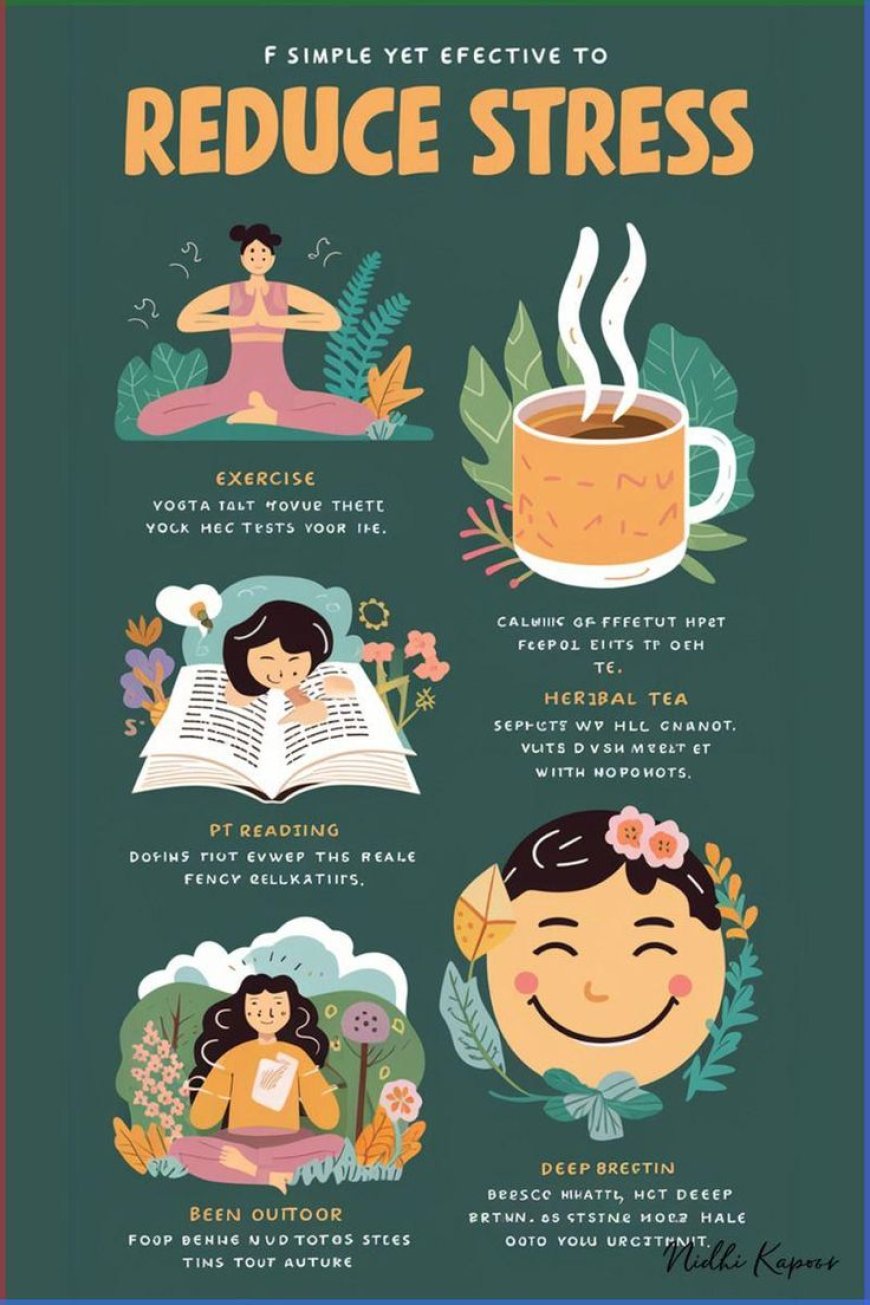
Natural Ways to Reduce Daily Stress Easily
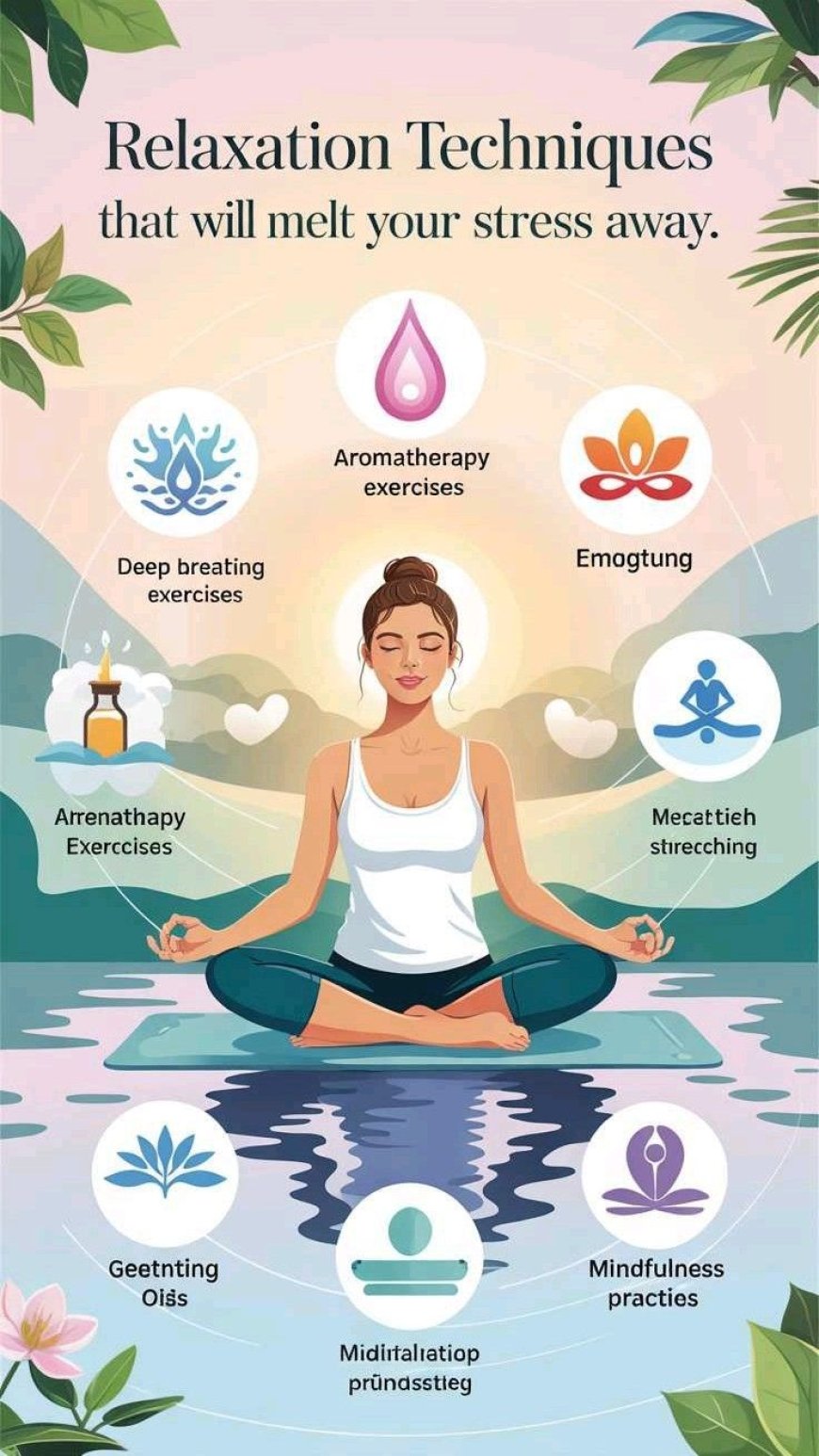
Stress has become an almost unavoidable part of modern life. Work pressures, family responsibilities, constant notifications, and lifestyle imbalances can quietly build tension, affecting both mental and physical health. While short-term stress can be motivating, chronic stress can lead to fatigue, anxiety, sleep disorders, and weakened immunity. The good news is that managing daily stress does not always require medication or drastic lifestyle changes. Simple, natural strategies practiced consistently can significantly improve overall well-being.
Understanding Daily Stress
Stress is the body’s natural response to perceived challenges or threats. When stress becomes constant, the body remains in a prolonged “fight or flight” mode, releasing stress hormones like cortisol and adrenaline. Over time, this disrupts sleep, digestion, mood, and concentration. Reducing daily stress naturally focuses on calming the nervous system and restoring balance through mindful habits.
1. Practice Deep Breathing
One of the fastest ways to reduce stress is through conscious breathing. Deep breathing signals the brain to relax and slows the heart rate. Techniques such as diaphragmatic breathing or the 4-7-8 method can be practiced anywhere. Taking just five minutes to breathe slowly and deeply helps reduce tension, improve focus, and bring immediate calm during stressful moments.
2. Maintain a Consistent Sleep Routine
Quality sleep is essential for stress management. Lack of sleep increases irritability and reduces the ability to cope with daily challenges. Maintaining a consistent sleep schedule, reducing screen time before bed, and creating a calm sleep environment can significantly improve rest. Even small improvements in sleep quality can lower stress levels and enhance emotional resilience.
3. Stay Physically Active
Physical activity is a powerful natural stress reliever. Exercise releases endorphins, which are known as “feel-good” hormones. Activities such as walking, yoga, stretching, or light workouts can reduce anxiety and improve mood. Regular movement also helps release stored tension in the body, making it easier to handle daily pressures.
4. Eat a Balanced and Nourishing Diet
Nutrition plays a crucial role in managing stress. A diet rich in whole foods, fruits, vegetables, lean proteins, and healthy fats supports stable energy levels and mood. Excessive caffeine, sugar, and processed foods can increase anxiety and irritability. Staying hydrated and eating balanced meals helps regulate blood sugar levels, reducing stress-related mood swings.
5. Practice Mindfulness and Meditation
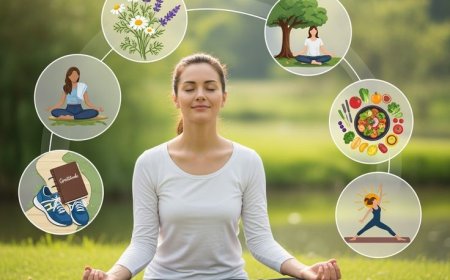
Mindfulness involves being fully present in the moment without judgment. Simple practices such as mindful breathing, body scanning, or short meditation sessions can help quiet racing thoughts. Regular mindfulness practice improves emotional awareness and reduces the intensity of stress responses. Even five to ten minutes a day can make a noticeable difference.
6. Set Healthy Boundaries
Overcommitment is a common source of daily stress. Learning to say no, setting realistic expectations, and prioritizing tasks can prevent burnout. Healthy boundaries at work and in personal life allow time for rest and self-care. Managing time effectively and breaking tasks into smaller steps also reduces feelings of overwhelm.
7. Limit Digital Overload
Constant exposure to screens and notifications keeps the mind in a state of alertness. Taking regular breaks from digital devices helps reduce mental fatigue. Simple habits such as turning off non-essential notifications, scheduling screen-free time, or practicing a digital detox before bedtime can significantly reduce stress and improve focus.
8. Connect with Nature
Spending time outdoors has proven stress-reducing benefits. Natural environments help calm the nervous system and improve mood. Activities such as gardening, walking in a park, or simply sitting in sunlight can lower stress hormones. Even a few minutes of fresh air during a busy day can create a sense of calm and clarity.
9. Cultivate Positive Relationships
Social support plays a vital role in stress management. Talking to friends, family, or colleagues provides emotional comfort and perspective. Positive interactions help reduce feelings of isolation and anxiety. Sharing concerns or spending quality time with loved ones strengthens emotional resilience and promotes mental well-being.
10. Develop a Simple Relaxation Routine
Creating a daily relaxation ritual helps signal the body to unwind. This could include listening to calming music, reading, journaling, or practicing gentle stretching. Consistent relaxation routines help transition the mind from stress to rest, improving overall emotional balance.
Conclusion
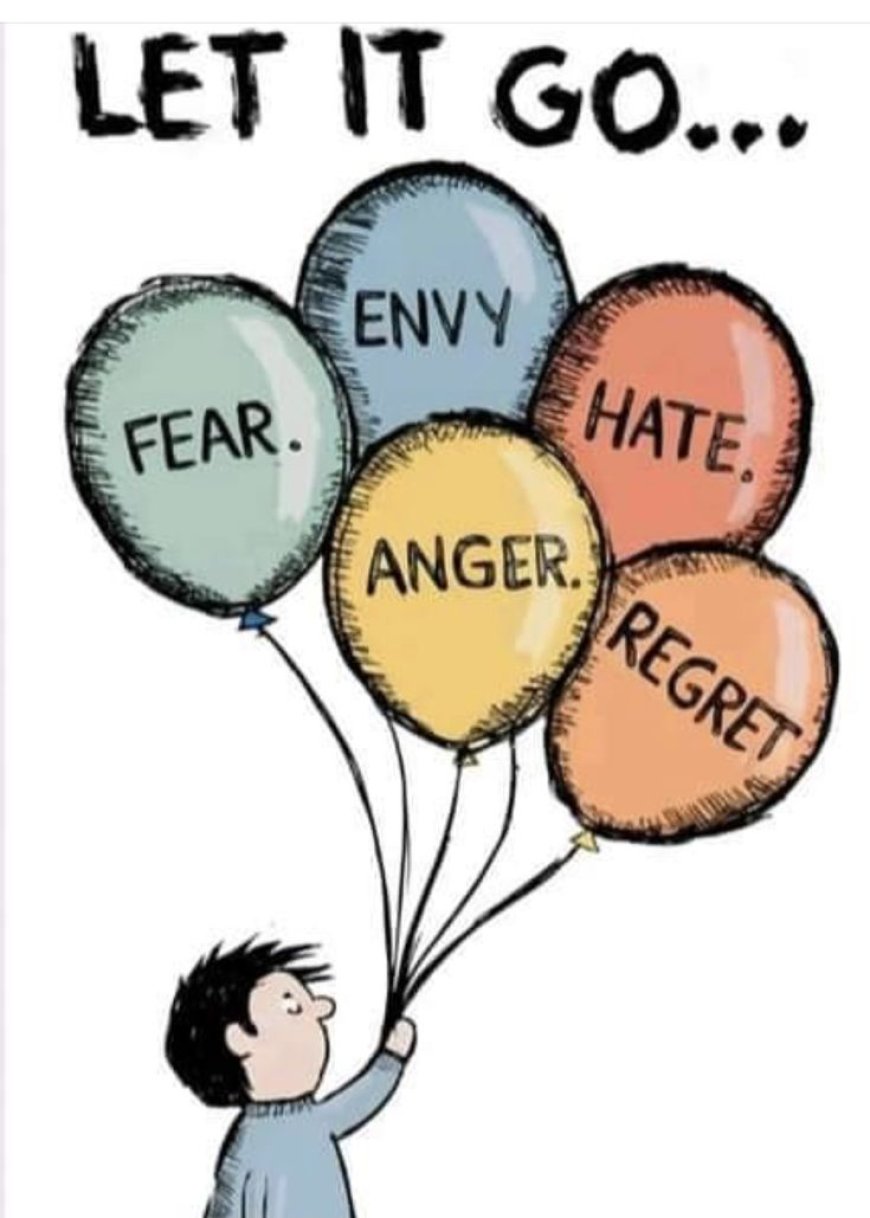
Reducing daily stress naturally does not require major lifestyle changes. Small, intentional habits practiced consistently can create lasting improvements in mental and physical health. By focusing on breathing, movement, nutrition, mindfulness, rest, and healthy boundaries, individuals can build resilience against everyday stress. Over time, these natural strategies not only reduce stress but also enhance overall quality of life, making it easier to navigate daily challenges with clarity and calm.
What's Your Reaction?
 Like
5
Like
5
 Dislike
0
Dislike
0
 Love
4
Love
4
 Funny
0
Funny
0
 Angry
0
Angry
0
 Sad
0
Sad
0
 Wow
4
Wow
4