









































































































































































Classic Recipes with a Modern Twist
Classic recipes reinvented with healthier ingredients and global flavors, blending tradition, creativity, and modern cooking techniques for today’s lifestyle.
A Foodie Approach to Custom and Innovation
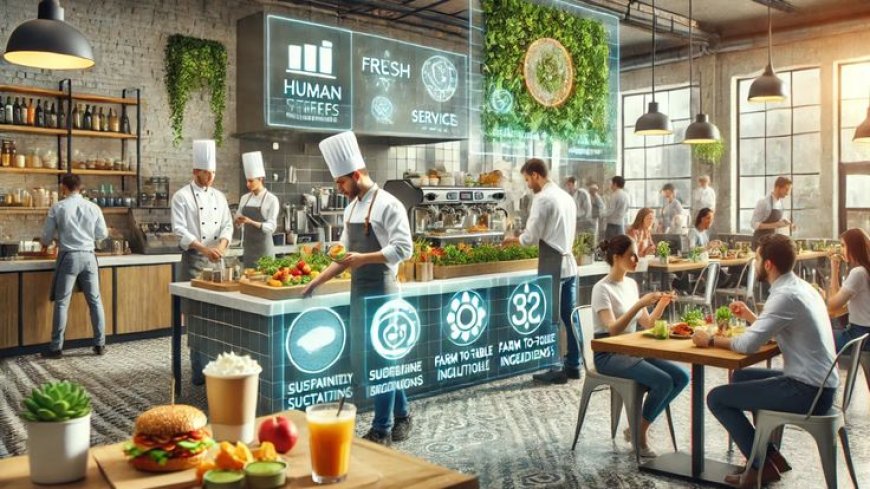
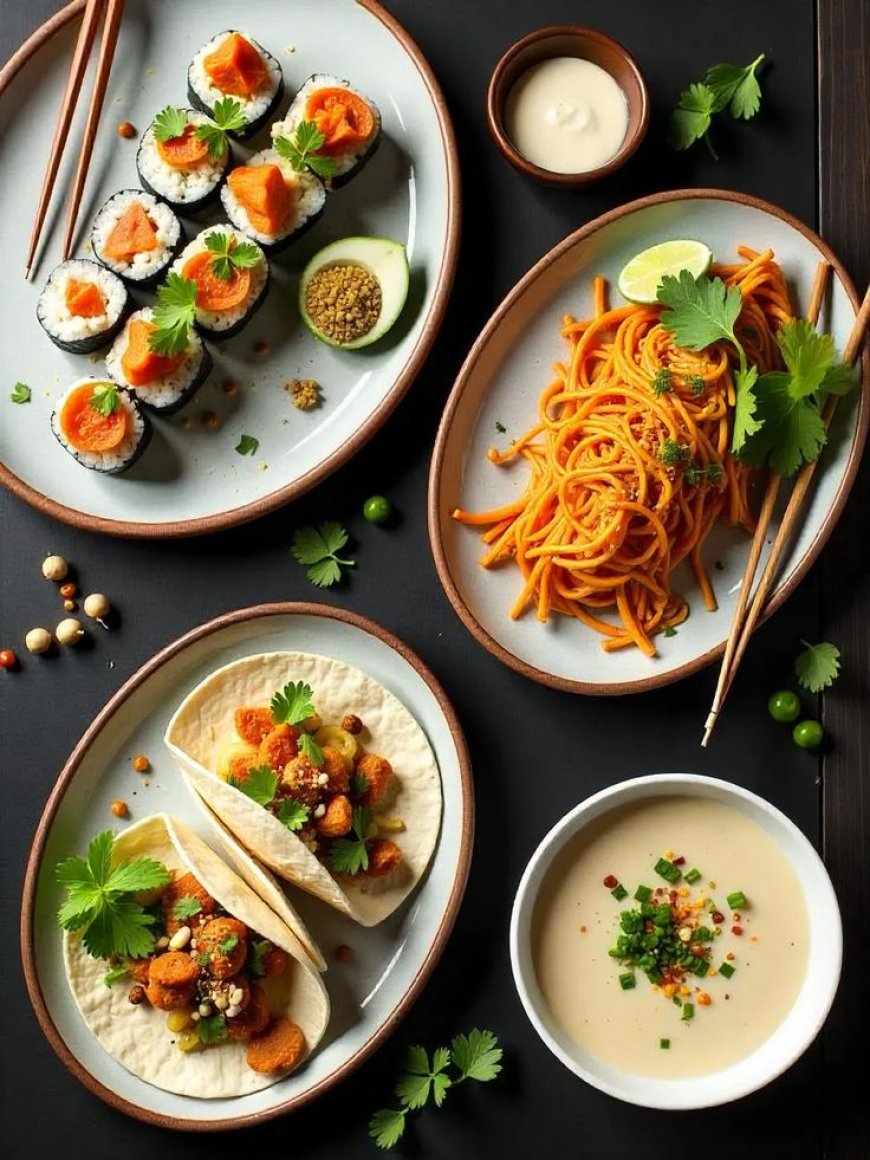
Food has been not just food. It gives the memories, traditions, and emotions that pass through the generations. The scent of our favourite food can immediately take us to childhood kitchens, family meetings, or birthday celebrations. The traditional recipes possess this immortal power. However, as our lifestyles, preferences and consciousness change, so does the mode of cooking. This is where modernised classic recipes get in place – where tradition is upheld and innovation embraced.
The Reason Classics Never Go Out of Style
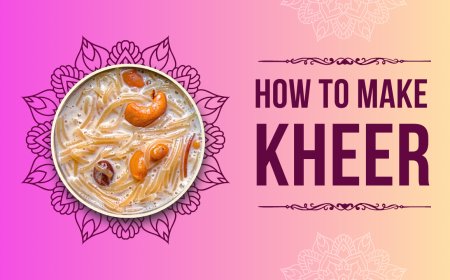
Classic recipes do not become irrelevant, as they are very strong in cultural, emotional, and practical bases. The generations of people tie to these dishes not merely because of the taste but also because these are the memories and traditions of their ancestors. With time, these recipes have been perfected with the help of easy-to-find, simple ingredients and sure methods, thus being reliable and comforting. Their emotional acquaintance offers a feeling of stability in the rapidly transforming world. Concurrently, they are flexible enough and can fit into the contemporary tastes and lifestyles without becoming artificial.
What Is a Modern Twist?
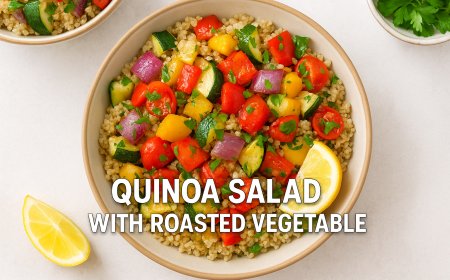
A contemporary theme is more about intelligent perfection, as opposed to thorough outreaching. It underlines the role of enhancing nutritional balance by cutting down on the unnecessary fats, sugar, or salt without compromising on the basic flavours. Replacement of ingredients, including whole grains, vegan protein sources, or lower-fat dairy options, makes dishes in line with the existing health awareness. Recipes are made more convenient in the modern kitchen with updated cooking techniques such as baking, grilling or air frying. These transformations make sure that traditional dishes are not obsolete, unattractive, and useless in modern ways of life.
A Combination of Tradition and Healthy Options
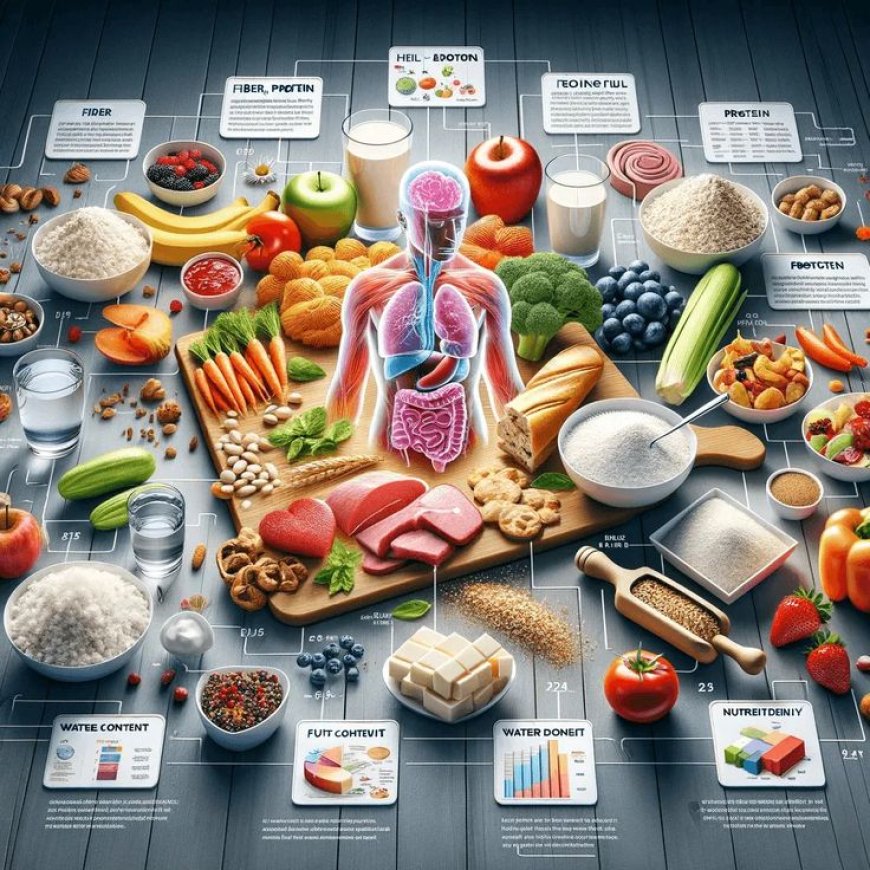
1. Olden times recipes, energy requirements
The old recipes were done to suit the periods when individuals had led physically demanding lifestyles. These were hearty, nutritious and energy-giving meals to satisfy our daily energy needs. Commonly used ingredients were ghee, sugar and refined grains. Such recipes can be filling, but they can also seem like a burden to the contemporary sedentary lifestyle.
2. Lessening fats, sugar and salt in excess
The current developments of these programmes are meant to lighten the traditional dishes without compromising on the flavour. Through careful cooking, excess oil, sugar and salt are minimised. Spices, herbs and cooking precision are used to add to the natural flavours. In this way, it maintains the authenticity and enhances the health value.
3. Whole and plant-based ingredients are used
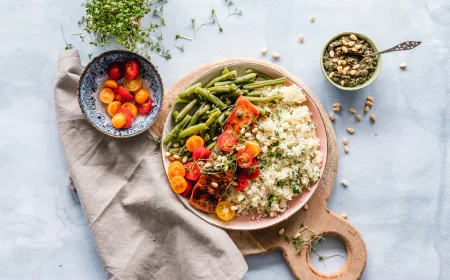
Nutritional balance is enhanced by the incorporation of whole grains, lean proteins, and plant-based food. These alternatives contain fibre, important nutrients and extended power. They also aid in digestion and heart condition. The food is not only fulfilling but also healthier.
International impact on the traditional recipes
1. Expanded ingredient access
The global connectivity has brought with it a variety of ingredients in the kitchen. The availability of spices, grains and different cultures and their sauces is now common. This availability promotes trial and error. Conventional dishes have the advantage of expanded flavours.
2. Merger of global approaches
Traditional cuisine has been integrated with international food preparation modes. Foreign spices and methods of preparation improve local tastes. These are not mixed casually in order to preserve the authenticity. The outcome is new and old dishes.
3. Enhanced flavour depth
International additions allow traditional recipes to be more complex and rich. They provide additional flavour and taste but do not overwhelm the original dish. This balancing act ensures cultural identity. Taste richness is elevated and attractive.
The Psychological Component of the Contemporary Cuisine
1. Relation to family, culture
Traditional recipes usually have family beliefs and cultural narratives. They are collective memories and heritage. Emotional connections are enhanced by cooking these dishes. Food serves as a curative of culture.
2. Saving recipes to be used in the future
The traditional dishes are kept up to date through modernisation. Younger generations tend to cook and have fun. This guarantees the survival of culinary tradition. Custom is not obsolete but is developing.
3. Innovation in the tradition
Modifying recipes enables one to be creative in cooking. Cooks are able to experiment without violating original flavours. This artistic freedom generates trust and happiness. The traditional is made loose and individual.
Easy Ways of a Modern Twist in the House
1. Ingredient refinement
The substitution of refined grains with whole grains enhances nutrition. Heavy is minimised with lighter substitutes such as yoghurt or creams made of nuts. These substitutes are tasty and yet healthier. Minor variations create a difference.
2. Food practices that are health-conscious
Roasting, grilling or air frying consumes less oil. They are used to fortify natural flavours and textures. Food gets much lighter and easier to digest. Cooking is also effective and convenient.
3. Flavour elevation
Natural spices, citrus zest, and fresh herbs are natural flavour enhancers. Infused oils do not contain much fat. The strategy minimises the use of salt and sugar. Taste is vivid and harmonised.
Saving the Soul of Traditional Food
Respect is the most significant element of classics modernisation. Food should not lose its gist, which is the fundamental tastes, its cultural meaning, and emotional attachment. The modern twist is to make it much like a continuation rather than a substitution of the story.
The majority of the modern adaptations are done with a lot of thought, which makes the traditional recipes relevant and beloved. They make younger generations enter the kitchen, arouse interest, and preserve the culinary tradition in the rapidly changing world.
Citra Conclusion: Reality Reframed Rejection of Tradition at the Table
Traditional dishes that are made in a contemporary style are the best equilibrium between the old and the new. They imprint on us the origin of our existence, as well as enabling us to progress with purpose and imagination. Combining tradition and innovation, we do not lose authenticity, but we make it bigger. By so doing, we will be certain that those flavours that we love now and in the future will be enjoyed, shared and celebrated over the coming years.
What's Your Reaction?
 Like
0
Like
0
 Dislike
0
Dislike
0
 Love
0
Love
0
 Funny
0
Funny
0
 Angry
0
Angry
0
 Sad
0
Sad
0
 Wow
0
Wow
0