







































































































































Soft Skills vs Hard Skills: What Truly Matters for Career Growth?
Discover the real difference between soft skills and hard skills. Learn which skills matter most for long-term career growth in this detailed Hindi article.
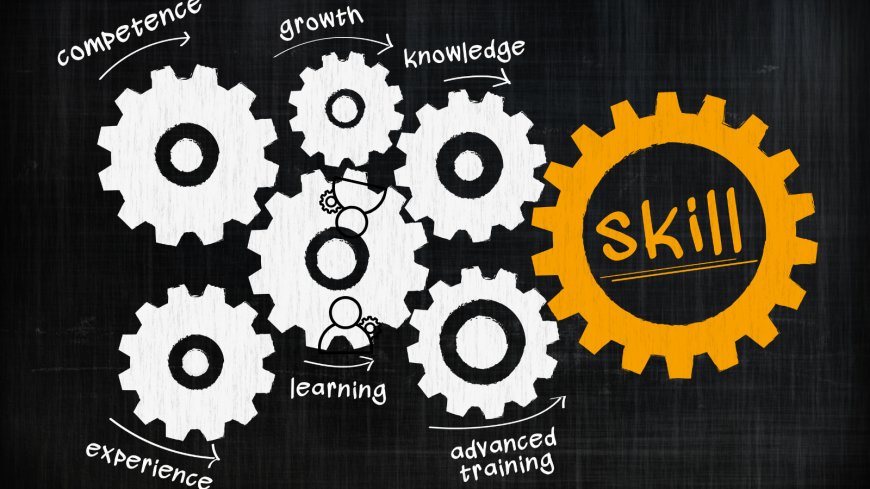
The Career Development Issue: Soft Skills or Hard Skills?
One question is always present in terms of career growth: which is more valuable, soft skills or hard skills? On the one hand, professional success is confused in the modern digitalised and competitive environment, but on the other hand, the two skills are indispensable. However, it is also important to know what one should focus more on.
A career is not merely about knowledge or skill; it is also about how one works with people, how they deal with difficulties, and how they portray themselves, which is equally important. That is why it is useful to contrast soft and hard skills, helping you make your career go in the right direction.
Hard Skills: A Good Education Leads to a Career.
Hard skills can be acquired either during training, education, or through practical experience and may include skills like coding, graphic design, data analysis, applying marketing tools, or keeping accounts. They are measurable and testable as well as essential in a particular job position. The first thing that you would be tested on during any job interview is your hard skills.
The employer is interested in knowing whether you will be able to cope with the technical side of the job you are applying for. When your hard skills are poor, and you do not have much experience, it is not easy to get a job, despite your confidence and expressiveness. Hard skills lay the groundwork of a career and offer a sure basis of entry.
Realities in the Workplace: Knowledge Need Not Be Technical.

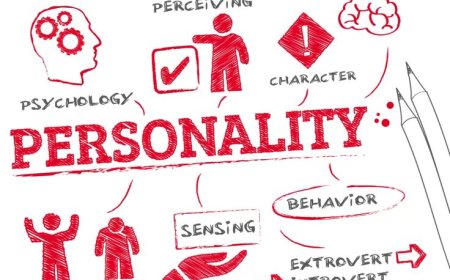
However, as you get into a job, there is a new reality slowly developing. You know that you can never get by on technical alone. There is office culture, teamwork, deadlines, communication, pressure, and competition, all of which are involved in your daily work. At this point, soft skills are used. Soft skills are those aspects that characterise your behaviour, attitude, and professional personality. These skills are not measurable; however, their contribution to long-term success is higher than compared of hard skills.
When you lack communication in the process of working on a project, regardless of the level of technical prowess, misunderstandings and delays will be encountered. Failure to be in line with the team will lead to poor performance. Without the ability to manage stress, the quality will be compromised.
Soft Skills: The Long-Term Success Hiding Power.
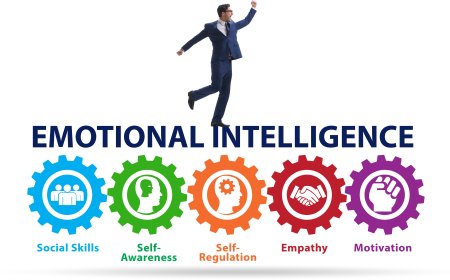
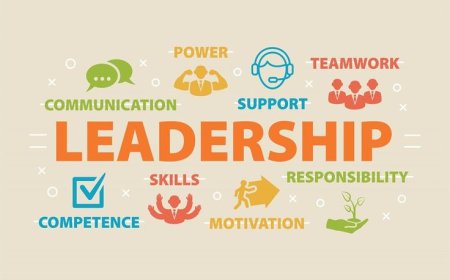
Businesses would always want to have people who can not only carry out their duties but also assist them in operating. Skills that one can be distinguished with in a competitive environment are emotional intelligence, problem-solving, leadership, teamwork, and adaptability.
A manager or a leader can be developed out of an ordinary technical individual who possesses good communication and leadership abilities. But the highly technical professional, who has poor soft skills, will find himself in a stalemate of growth. The soft skills turn out to be the most important factor in the realisation of mid- to senior career levels.
Future-Proof Skills: In the Places Technology Alters, Soft Skills Remain With You.
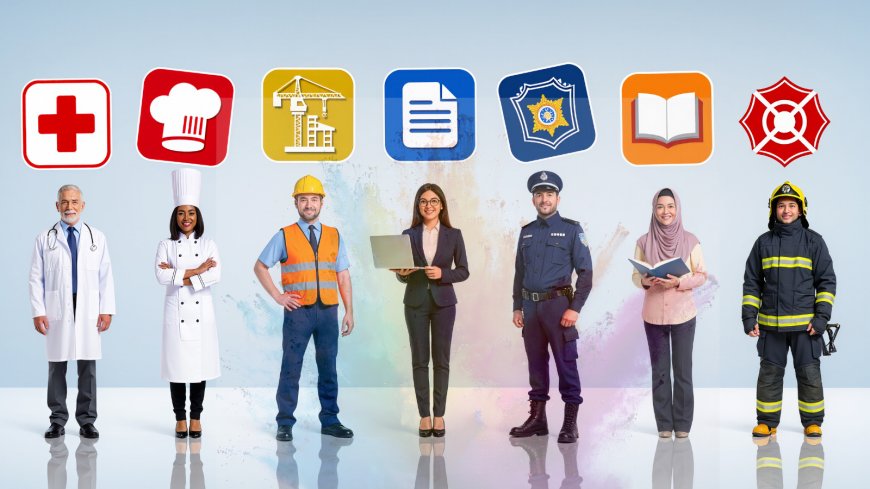
It is also a fact that soft skills are lifelong. Technology continues to evolve, new software is introduced, and new tools are introduced, and hence hard skills should be regularly updated. Nonetheless, soft skills are useful in whatever industry, whatever position, and whatever scenario.
Whatever discipline you are in, communication, creativity, and people skills will never go a waste. This is why specialists believe that any basic skills are vital in the initial phases of a career; however, no long-term development is possible without soft skills. Soft skills determine your promotion, your influence, and your reputation.
Balance of Both: The True Power of a Modern Professional.
Modern professionals are the ones who strike a balance between the two skills. In case you are a data analyst possessing good communication skills, you would be in a position to articulate your insights in a better way. When you are a problem-solving designer with a creative mind, satisfaction among the clients automatically goes up.
When you are an IT engineer and good command of working in a team, you will get a chance to lead complex projects. After all, it is not based on talent that careers are built, but on attitude and relations instead.
What's Your Reaction?
 Like
0
Like
0
 Dislike
0
Dislike
0
 Love
0
Love
0
 Funny
0
Funny
0
 Angry
0
Angry
0
 Sad
0
Sad
0
 Wow
0
Wow
0