Banks, Balance Sheets & Strategy: India Inc in Focus
HDFC Bank shows steady growth, ICICI Bank absorbs regulatory costs, and Vedanta cuts debt via stake sale—highlighting India Inc’s focus on balance-sheet strength.
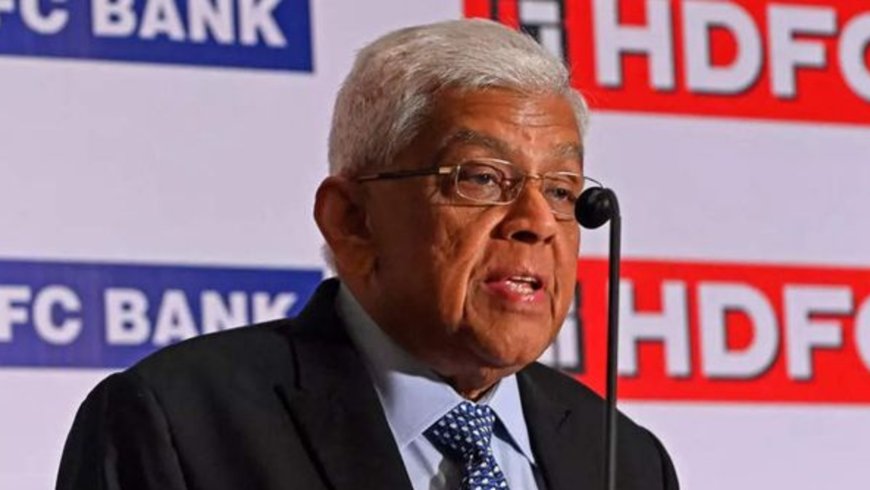
HDFC Bank: Growth with Discipline, but Thinner Comfort
For the quarter ended 31 December 2025 (Q3 FY26), HDFC Bank reported an 11.5% year-on-year rise in standalone net profit to about ₹18,654 crore, supported by steady loan growth, strong interest income and stable asset quality. Net interest income grew around 6.4% to roughly ₹32,620 crore, showing that the bank is still expanding its core earnings even as the broader rate cycle and post-merger adjustments keep margins under pressure.
Gross advances were close to ₹28.45 lakh crore, up about 11.9% year-on-year, with retail, MSME and wholesale books all contributing – SMEs in particular growing above 17%.
What stands out is not just the size of the balance sheet but its quality: gross NPAs remained broadly unchanged at about 1.24%, signalling that rapid expansion has not yet translated into visible stress. The bank also clocked healthy deposit growth of more than 12% year-on-year, which is crucial in an environment where funding costs are rising, and every large lender is competing hard for sticky retail money.
For investors, this quarter reinforces the familiar HDFC Bank pattern – strong growth, disciplined risk management and incremental tweaks to navigate tighter margins – rather than any dramatic course correction.
ICICI Bank: Profit Sacrifice for Regulatory Clean-up
ICICI Bank’s headline numbers tell a very different story: net profit for Q3 FY26 fell about 4% year-on-year to roughly ₹11,318 crore, despite growth in core operating performance and an improvement in asset quality. The drag came almost entirely from provisions; total provisions (excluding tax) jumped to around ₹2,556 crore versus about ₹1,227 crore a year earlier.
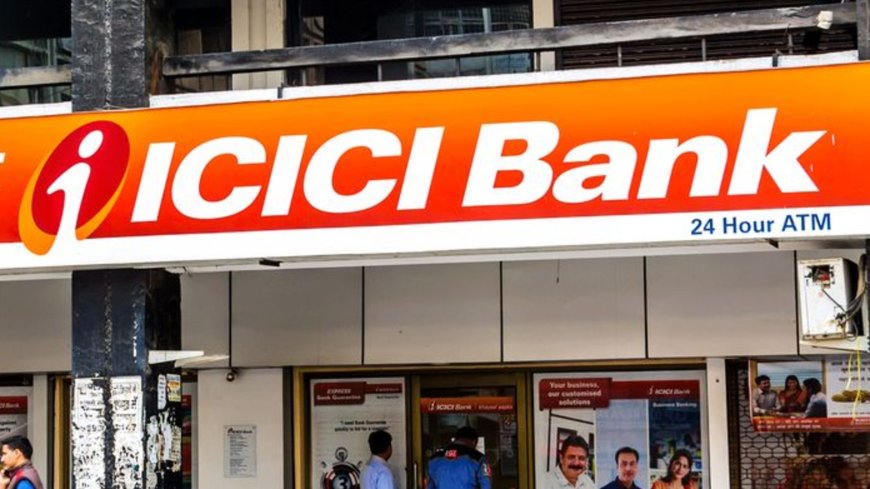
This spike includes an additional standard-asset provision of roughly ₹1,283 crore after an RBI supervisory review flagged that a ₹25,000-crore portfolio classified under agricultural priority-sector credit did not fully meet regulatory conditions.
Management has made it clear that without this one-off regulatory-driven provision, the bank’s net profit would actually have grown by around 4.1% rather than showing a 4% decline. In other words, ICICI has chosen to front-load pain, strengthen buffers and close out a compliance gap instead of stretching the clean-up over multiple quarters.
For markets, that nuance matters: a profit dip driven by a conscious regulatory adjustment is very different from one caused by deteriorating loan performance across the board. In fact, the bank’s core franchise – from fee income to lending spreads – remains on a reasonably stable footing, suggesting this quarter is more about housekeeping than a change in trajectory.
Vedanta–Hindustan Zinc: Selling Family Silver to Buy Time
Away from banking, Vedanta’s decision to sell a 1.6% stake in Hindustan Zinc Limited (HZL) underlines how aggressively India Inc. is trying to repair leverage before the next capex and rate cycles fully play out. The company raised about ₹3,028 crore by offloading roughly 66.7 million HZL shares to institutional investors through an accelerated book-build, with the explicit goal of cutting debt and strengthening the balance sheet.
This is not a random portfolio shuffle; it sits squarely inside Vedanta’s broader plan to improve financial flexibility and prepare for its proposed demerger of key businesses into more focused entities.
HZL is one of Vedanta’s most profitable and cash-rich subsidiaries, known for strong dividends and robust cash flows, so any stake sale here is effectively a trade-off between near-term debt reduction and long-term exposure to a quality asset. The company is signalling that cleaner leverage and a more agile capital structure matter more right now than preserving every percentage point of ownership in group companies.
For shareholders, the move is likely to be read as another step in a familiar playbook: monetise part of a strong subsidiary, use the proceeds to retire expensive debt, and position the entire group to unlock value once the demerger structure is in place.
What This “Mixed Bag” Says About the Cycle
Put together, HDFC Bank’s steady profit growth, ICICI Bank’s provision-hit quarter and Vedanta’s calibrated stake sale capture three different ways India’s large corporates are navigating the same macro backdrop.
HDFC Bank is leaning on scale and granular growth to keep compounding earnings, even as it watches margins and funding costs; ICICI Bank is prioritising regulatory cleanliness and provisioning discipline over cosmetic profit growth; and Vedanta is actively reshaping its capital structure by cashing in on a flagship subsidiary to bring debt down.
For readers tracking the health of India’s financial system, the message is clear: balance sheets are front and centre, and management teams are increasingly willing to take short-term hits – whether in reported profit or ownership stakes – to buy long-term resilience.
What's Your Reaction?
 Like
0
Like
0
 Dislike
0
Dislike
0
 Love
0
Love
0
 Funny
0
Funny
0
 Angry
0
Angry
0
 Sad
0
Sad
0
 Wow
0
Wow
0