


























































































































































E-waste management laws
Electronic waste, or e-waste, refers to discarded electronic devices such as computers, mobile phones, televisions, and other electronic appliances. Improper disposal of e-waste can lead to severe environmental and health hazards due to the presence of toxic materials like lead, mercury, and cadmium. To address this, many countries, including India, have established E-Waste Management Rules. In India, the E-Waste (Management) Rules, 2016, amended in 2018, regulate the proper handling, collection, recycling, and disposal of electronic waste. Key provisions include: Extended Producer Responsibility (EPR): Manufacturers and importers are responsible for collecting and recycling the e-waste generated from their products. Collection Centers and Take-Back Systems: Companies must set up mechanisms for consumers to return old electronic products safely. Recycling and Treatment: Only authorized recyclers and dismantlers are allowed to handle e-waste to ensure safe processing. Awareness and Reporting: Producers must educate consumers about safe e-waste disposal and submit annual reports on their e-waste management practices. These laws aim to reduce environmental pollution, promote recycling, and ensure safe disposal of electronic products, fostering sustainable use of electronics.
1. How aware are you of e-waste management rules in your country?
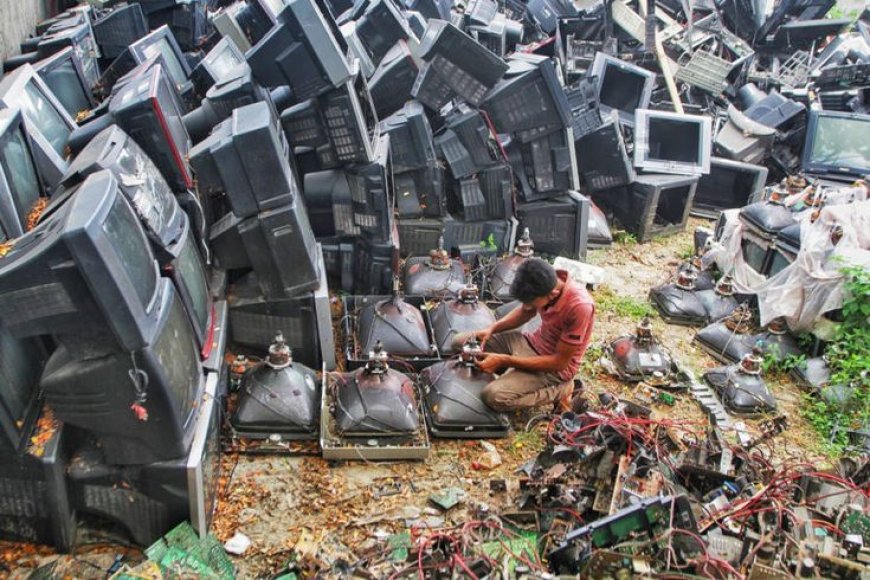
The setting appears informal and unregulated, highlighting e-waste recycling or salvage work, and reflects issues related to electronic waste management, environmental pollution, and labor-intensive recycling practices.
Very aware
Somewhat aware – I’ve heard about them but not in detail
Heard a little – Just know they exist
Not aware at all – This is new to me
Total Votes: 0
2. What’s the biggest barrier to proper e-waste disposal for you?
Lack of awareness
No nearby collection centers
Hassle of returning items
I don’t think it’s important
Total Votes: 0
3. Would you prefer to return old electronics to a store if they had a take-back program?
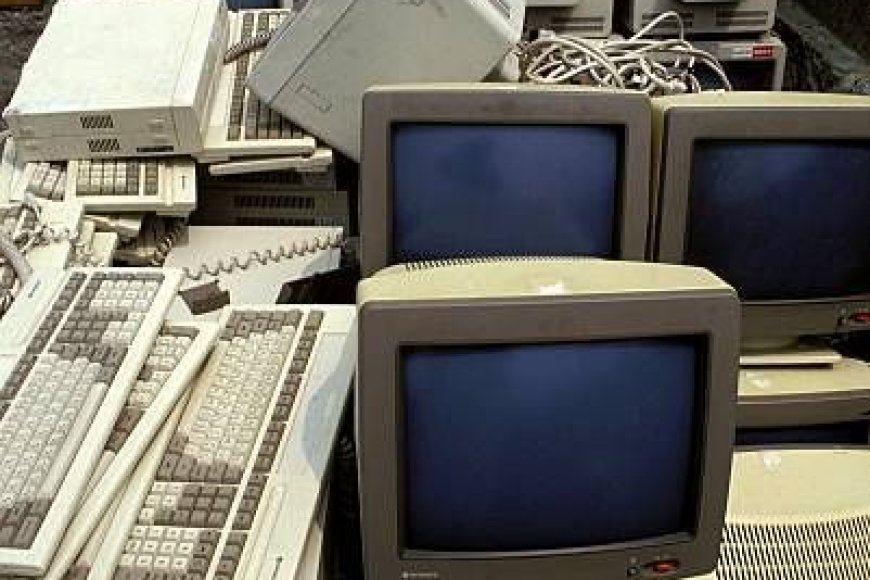
The scene highlights electronic waste accumulation and reflects the rapid advancement of technology, where older computer equipment is replaced and often ends up as e-waste.
Yes, definitely
Maybe, depends on convenience
Not likely
Never
Total Votes: 0
What's Your Reaction?
 Like
0
Like
0
 Dislike
0
Dislike
0
 Love
0
Love
0
 Funny
0
Funny
0
 Angry
0
Angry
0
 Sad
0
Sad
0
 Wow
0
Wow
0

Harshita Dhakad
Now working as a Social Media Marketing Executive at [Shakuniya Solutions Pvt Ltd]
Excited to create content that connects, campaigns that convert, and communities that grow. 💻💡 #SocialMediaLife #MarketingJourney”