LPG Crisis: Govt Moves to Stabilise Supply
India faces LPG supply disruptions affecting restaurants and households. Union Minister Suresh Gopi says the government is taking steps to control the crisis.
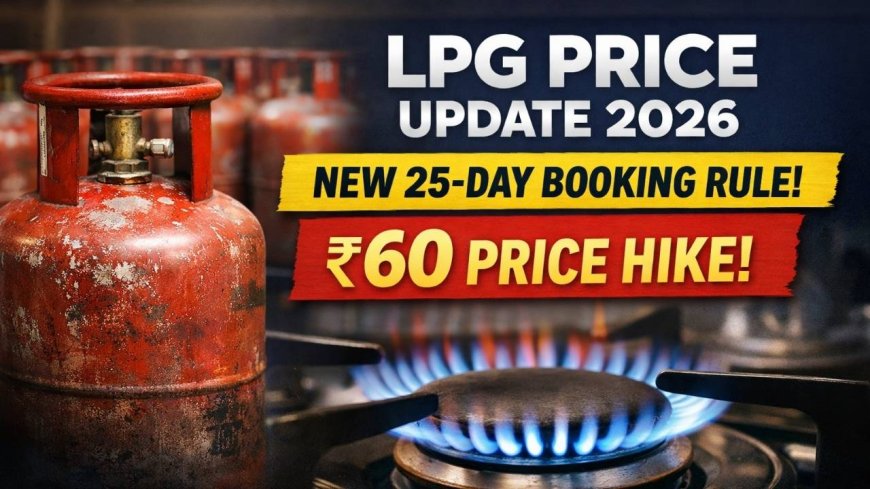
India is currently facing disruptions in the supply of Liquefied Petroleum Gas (LPG), a fuel widely used for cooking in homes, restaurants and commercial establishments. The shortage has been reported in several cities, including Mumbai, Bengaluru, Kolkata and Delhi, affecting restaurants, hostels, transportation and even railway catering services. The situation has triggered concern among citizens as LPG remains the primary cooking fuel for millions of households across the country.
The crisis is closely linked to global energy supply disruptions, particularly tensions in West Asia that have affected shipping routes and energy markets. A significant portion of India’s LPG imports passes through the Strait of Hormuz, a crucial global energy corridor, and any disruption there quickly affects supplies and prices. Analysts say global crude oil and gas prices have surged due to geopolitical tensions, increasing pressure on energy-importing countries like India.
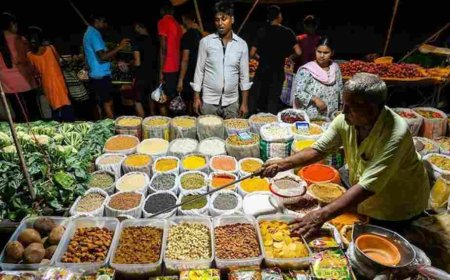
As supply disruptions spread across several cities, restaurants have begun reducing their menus, while hostels and small eateries are cutting back on gas-intensive dishes to conserve fuel. Some establishments have even stopped serving items such as chapati, dosa, tea and coffee because they require higher LPG usage.
Key developments in the ongoing LPG crisis include:
- LPG shortages have been reported across several major Indian cities for multiple consecutive days.
- Commercial LPG supplies for restaurants and businesses have become irregular or have been temporarily halted in some areas.
- Some restaurants, hostels and food outlets have reduced their menu options to conserve gas.
- Panic booking of cylinders by consumers has increased pressure on supply chains and distribution systems.
- Black-market prices of LPG cylinders have reportedly risen sharply in certain areas due to supply shortages.
- Demand for alternative cooking options such as induction stoves has increased among households.
The shortage has also affected other sectors beyond households and restaurants. For example, some autorickshaws that run on LPG in cities like Chennai and Kolkata have reportedly remained off the roads due to a lack of fuel supply. At the same time, there are concerns that catering services on trains could also be affected if the shortage continues.
Experts say the situation highlights India’s heavy dependence on imported LPG. Over the past decade, the country has expanded LPG access significantly, especially for rural and low-income households, but it still relies heavily on imports rather than large strategic reserves. This makes the supply chain vulnerable to global disruptions.
Attempts to control the LPG crisis, says Union Minister Suresh Gopi.
Amid growing concerns over cooking gas availability, Union Minister of State for Petroleum and Natural Gas Suresh Gopi has assured that the government is actively working to bring the LPG crisis under control. According to the minister, the Centre is exploring multiple avenues to secure additional LPG supplies and stabilise the domestic market.
Speaking to reporters, Gopi stated that discussions are ongoing at both diplomatic and policy levels to address disruptions affecting supply routes. He also mentioned that the government is closely monitoring the situation and taking steps to ensure that essential sectors and households continue receiving adequate fuel supplies.
The government has been coordinating with oil companies and international partners to secure additional shipments of LPG and natural gas. Officials have also indicated that new supply channels may open soon, which could help stabilise the market and reduce pressure on domestic consumers.
Government measures being taken to control the crisis include:
- Exploring new international supply sources to secure additional LPG imports.
- Diplomatic engagement with countries affected by the Strait of Hormuz disruption.
- Prioritising LPG supply for households, hospitals and essential services.
- Monitoring distribution networks to prevent hoarding and illegal diversion of cylinders.
- Increasing domestic production at refineries to meet rising demand.
- Advising states to closely track LPG availability and maintain law and order during supply disruptions.
The minister also urged citizens to remain calm and avoid panic buying of LPG cylinders. According to him, the government is working continuously to stabilise supply chains and prevent long-term shortages. He emphasised that India is exploring multiple solutions and expects the situation to improve as additional supplies arrive.
Despite the challenges, officials maintain that efforts are underway to ensure that essential cooking fuel remains available to households across the country. The coming days will be crucial as the government works to manage global energy disruptions while maintaining stable LPG distribution within India.
LPG cylinder prices across major Indian cities
LPG cylinder prices across major Indian cities
Amid the ongoing LPG supply concerns, cooking gas prices continue to vary across major Indian cities. The latest available data shows that domestic LPG cylinder prices remain above ₹850 in most metropolitan areas. In New Delhi, a standard domestic LPG cylinder costs around ₹913, while Mumbai records a similar price of about ₹912.50. In Kolkata, the price ranges between ₹879 and ₹930 depending on recent revisions. Chennai has LPG priced near ₹928, whereas Hyderabad sees prices around ₹905. Bengaluru currently has one of the lowest prices among metros at about ₹855.50. Meanwhile, Patna records one of the highest rates at approximately ₹942.50 per cylinder. These variations reflect regional taxes and transportation costs.
What's Your Reaction?
 Like
0
Like
0
 Dislike
0
Dislike
0
 Love
0
Love
0
 Funny
0
Funny
0
 Angry
0
Angry
0
 Sad
0
Sad
0
 Wow
0
Wow
0

khushi
I am an author and dedicated to writing professional articles and blogs on technology, artificial intelligence, digital marketing, and emerging trends. I focus on delivering well-researched, informative, and insightful content that helps readers stay updated in the rapidly evolving digital landscape.