
Hard Skills vs. Soft Skills in 2026
Hard Skills vs. Soft Skills debate shapes 2026 hiring trends. Explore workforce data, employer priorities, policy shifts, and salary impact.
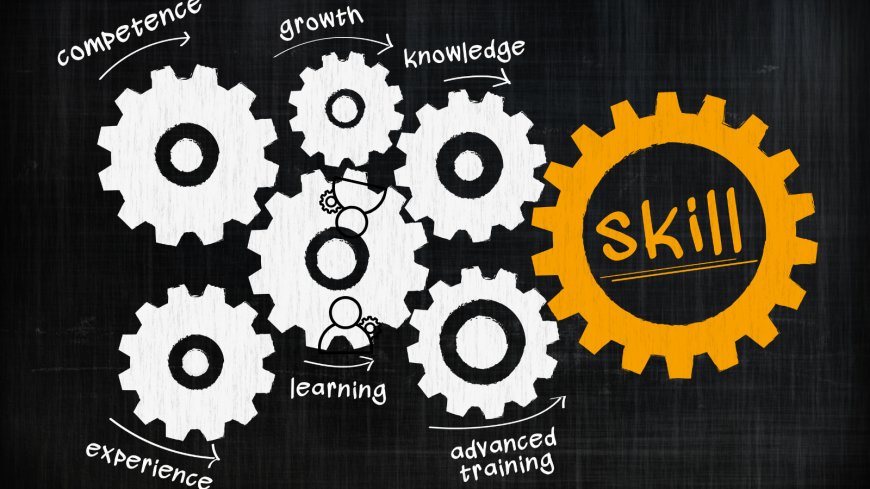
The long-standing discussion around Hard Skills vs. Soft Skills has taken on renewed urgency as employers recalibrate hiring strategies in response to automation, artificial intelligence adoption and shifting workplace expectations. Recruiters and policymakers increasingly view the balance between technical capability and interpersonal competence as central to labour market resilience.
A recent career analysis published by Coursera outlines the distinction: hard skills refer to measurable, job-specific technical abilities such as coding, accounting or data analysis, while soft skills include communication, leadership, adaptability and collaboration. As businesses modernise operations, both categories are shaping recruitment frameworks and compensation benchmarks.
According to labour market reporting by Reuters, global hiring patterns in 2025 reflected a sustained demand for digital and analytical expertise. Yet executives also cited collaboration and problem-solving abilities as critical in hybrid work environments.
Why Hard Skills vs. Soft Skills Matter in 2026
Corporate leaders say that technical proficiency alone no longer guarantees productivity. Digital transformation projects require cross-functional teams capable of aligning strategy, technology and customer engagement.
In interviews cited by Bloomberg, chief executives across technology and financial services sectors emphasised that employees must combine technical fluency with communication clarity to translate complex insights into actionable business decisions.
The Hard Skills vs. Soft Skills discussion has therefore shifted from a theoretical debate to a measurable performance factor. Data analytics roles, for example, demand programming expertise as well as the ability to present findings to non-technical stakeholders.
Labour Market Data and Hiring Trends
Recent employment surveys indicate that employers increasingly evaluate candidates through competency-based assessments rather than purely academic credentials. Economic Times reported in late 2025 that Indian companies are investing heavily in upskilling programmes to address gaps in digital literacy and managerial communication.
The World Economic Forum has projected that analytical thinking, resilience and flexibility rank among the most sought-after capabilities globally. While technical expertise remains essential, the capacity to adapt to rapid change is gaining equal weight.
In India, technology services firms have expanded internal training budgets to enhance both coding proficiency and leadership development. Business Standard noted that several major IT companies increased employee learning investments by double-digit percentages during 2024–25.
The Hard Skills vs. Soft Skills dynamic also influences salary structures. Technical specialists in artificial intelligence, cybersecurity and cloud computing command premium compensation. However, leadership-track professionals often advance based on strategic thinking and team management competence.
Policy and Education Realignment
Governments are adjusting education frameworks to align with evolving workforce demands. India’s National Education Policy 2020 emphasised holistic development, integrating vocational training with communication and critical thinking modules.
The Hindu has reported that state universities are introducing interdisciplinary courses combining engineering with entrepreneurship and behavioural sciences. Policymakers argue that bridging technical depth with human-centred skills enhances employability.
Globally, regulators are reviewing labour participation data amid technological disruption. Financial Times coverage in 2025 highlighted debates in advanced economies regarding workforce retraining initiatives designed to counter automation-driven displacement.
Within this policy context, the Hard Skills vs. Soft Skills conversation intersects with public investment priorities. Training subsidies and digital certification programmes aim to prepare workers for sectors experiencing rapid technological change.
Corporate Strategy and Productivity Impact
Corporate governance frameworks increasingly incorporate employee capability metrics into long-term strategy. Board-level discussions now include talent retention and reskilling as core risk management considerations.
CNBC reported that multinational firms allocating higher budgets to employee development achieved stronger productivity metrics during economic slowdowns. Executives attribute resilience partly to teams capable of adapting to market volatility.
The Hard Skills vs. Soft Skills equation also affects customer engagement. In sectors such as banking, healthcare and retail, frontline employees require regulatory knowledge alongside empathy and negotiation skills.
Human resources leaders say that behavioural competencies reduce workplace conflict and improve innovation outcomes. Companies investing in leadership coaching programmes report lower attrition and improved team performance.
Technology’s Influence on Skill Valuation
Artificial intelligence adoption has intensified scrutiny of technical capabilities. Automation tools increasingly perform routine coding, accounting and data entry tasks. As a result, professionals must elevate strategic oversight and creative problem-solving skills.
Reuters technology analysis has noted that generative AI systems augment rather than fully replace skilled professionals. Workers who combine technical fluency with judgment and ethical reasoning remain indispensable.
In this evolving environment, the Hard Skills vs. Soft Skills framework highlights complementary rather than competing strengths. Digital transformation initiatives require specialists capable of configuring systems and leaders who can manage organisational change.
Economic Outlook and Workforce Resilience
Labour economists argue that sustainable growth depends on balanced skill development. Countries with robust training ecosystems demonstrate greater adaptability during economic transitions.
According to Bloomberg, governments in Asia and Europe have expanded funding for digital reskilling programmes in response to industrial automation trends. India’s Skill India Mission continues to focus on expanding vocational training coverage, targeting millions of participants annually.
The Hard Skills vs. Soft Skills debate remains central to workforce planning in 2026. Employers seek measurable technical competence while prioritising communication, leadership and critical thinking to sustain innovation.
Recruitment data suggests that hybrid job descriptions, combining data analysis with stakeholder management, or software engineering with client advisory responsibilities, are increasingly common.
As automation reshapes industries, professionals who integrate specialised expertise with adaptive interpersonal abilities are positioned to navigate complex organisational landscapes. The recalibration of hiring priorities indicates that future competitiveness will depend on the alignment of technical mastery and human insight.
has taken on renewed urgency as employers recalibrate hiring strategies in response to automation, artificial intelligence adoption and shifting workplace expectations. Recruiters and policymakers increasingly view the balance between technical capability and interpersonal competence as central to labour market resilience.
A recent career analysis published by Coursera outlines the distinction: hard skills refer to measurable, job-specific technical abilities such as coding, accounting or data analysis, while soft skills include communication, leadership, adaptability and collaboration. As businesses modernise operations, both categories are shaping recruitment frameworks and compensation benchmarks.
According to labour market reporting by Reuters, global hiring patterns in 2025 reflected a sustained demand for digital and analytical expertise. Yet executives also cited collaboration and problem-solving abilities as critical in hybrid work environments.
Why Hard Skills vs. Soft Skills Matter in 2026
Corporate leaders say that technical proficiency alone no longer guarantees productivity. Digital transformation projects require cross-functional teams capable of aligning strategy, technology and customer engagement.
In interviews cited by Bloomberg, chief executives across technology and financial services sectors emphasised that employees must combine technical fluency with communication clarity to translate complex insights into actionable business decisions.
The Hard Skills vs. Soft Skills discussion has therefore shifted from a theoretical debate to a measurable performance factor. Data analytics roles, for example, demand programming expertise as well as the ability to present findings to non-technical stakeholders.
Labour Market Data and Hiring Trends
Recent employment surveys indicate that employers increasingly evaluate candidates through competency-based assessments rather than purely academic credentials. Economic Times reported in late 2025 that Indian companies are investing heavily in upskilling programmes to address gaps in digital literacy and managerial communication.
The World Economic Forum has projected that analytical thinking, resilience and flexibility rank among the most sought-after capabilities globally. While technical expertise remains essential, the capacity to adapt to rapid change is gaining equal weight.
In India, technology services firms have expanded internal training budgets to enhance both coding proficiency and leadership development. Business Standard noted that several major IT companies increased employee learning investments by double-digit percentages during 2024–25.
The Hard Skills vs. Soft Skills dynamic also influences salary structures. Technical specialists in artificial intelligence, cybersecurity and cloud computing command premium compensation. However, leadership-track professionals often advance based on strategic thinking and team management competence.
Policy and Education Realignment
Governments are adjusting education frameworks to align with evolving workforce demands. India’s National Education Policy 2020 emphasised holistic development, integrating vocational training with communication and critical thinking modules.
The Hindu has reported that state universities are introducing interdisciplinary courses combining engineering with entrepreneurship and behavioural sciences. Policymakers argue that bridging technical depth with human-centred skills enhances employability.
Globally, regulators are reviewing labour participation data amid technological disruption. Financial Times coverage in 2025 highlighted debates in advanced economies regarding workforce retraining initiatives designed to counter automation-driven displacement.
Within this policy context, the Hard Skills vs. Soft Skills conversation intersects with public investment priorities. Training subsidies and digital certification programmes aim to prepare workers for sectors experiencing rapid technological change.
Corporate Strategy and Productivity Impact
Corporate governance frameworks increasingly incorporate employee capability metrics into long-term strategy. Board-level discussions now include talent retention and reskilling as core risk management considerations.
CNBC reported that multinational firms allocating higher budgets to employee development achieved stronger productivity metrics during economic slowdowns. Executives attribute resilience partly to teams capable of adapting to market volatility.
The Hard Skills vs. Soft Skills equation also affects customer engagement. In sectors such as banking, healthcare and retail, frontline employees require regulatory knowledge alongside empathy and negotiation skills.
Human resources leaders say that behavioural competencies reduce workplace conflict and improve innovation outcomes. Companies investing in leadership coaching programmes report lower attrition and improved team performance.
Technology’s Influence on Skill Valuation
Artificial intelligence adoption has intensified scrutiny of technical capabilities. Automation tools increasingly perform routine coding, accounting and data entry tasks. As a result, professionals must elevate strategic oversight and creative problem-solving skills.
Reuters technology analysis has noted that generative AI systems augment rather than fully replace skilled professionals. Workers who combine technical fluency with judgment and ethical reasoning remain indispensable.
In this evolving environment, the Hard Skills vs. Soft Skills framework highlights complementary rather than competing strengths. Digital transformation initiatives require specialists capable of configuring systems and leaders who can manage organisational change.
Economic Outlook and Workforce Resilience
Labour economists argue that sustainable growth depends on balanced skill development. Countries with robust training ecosystems demonstrate greater adaptability during economic transitions.
According to Bloomberg, governments in Asia and Europe have expanded funding for digital reskilling programmes in response to industrial automation trends. India’s Skill India Mission continues to focus on expanding vocational training coverage, targeting millions of participants annually.
The Hard Skills vs. Soft Skills debate remains central to workforce planning in 2026. Employers seek measurable technical competence while prioritising communication, leadership and critical thinking to sustain innovation.
Recruitment data suggests that hybrid job descriptions, combining data analysis with stakeholder management, or software engineering with client advisory responsibilities, are increasingly common.
As automation reshapes industries, professionals who integrate specialised expertise with adaptive interpersonal abilities are positioned to navigate complex organisational landscapes. The recalibration of hiring priorities indicates that future competitiveness will depend on the alignment of technical mastery and human insight.
What's Your Reaction?
 Like
0
Like
0
 Dislike
0
Dislike
0
 Love
0
Love
0
 Funny
0
Funny
0
 Angry
0
Angry
0
 Sad
0
Sad
0
 Wow
0
Wow
0