
Smart City Living Powered by Vertical Farming Systems
Explore how smart city living is powered by vertical farming systems to enhance sustainability, food security, and resilient urban development.
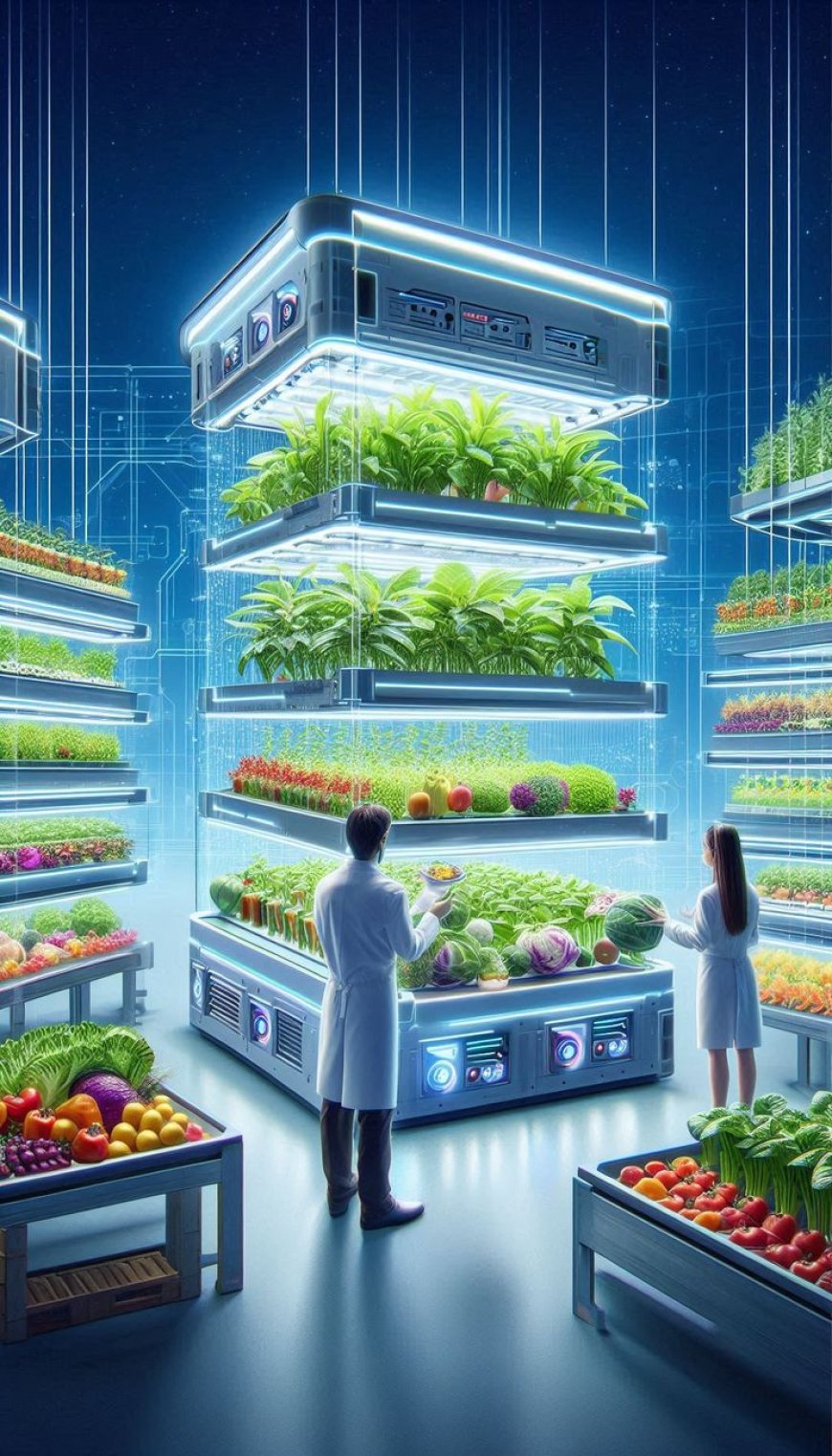
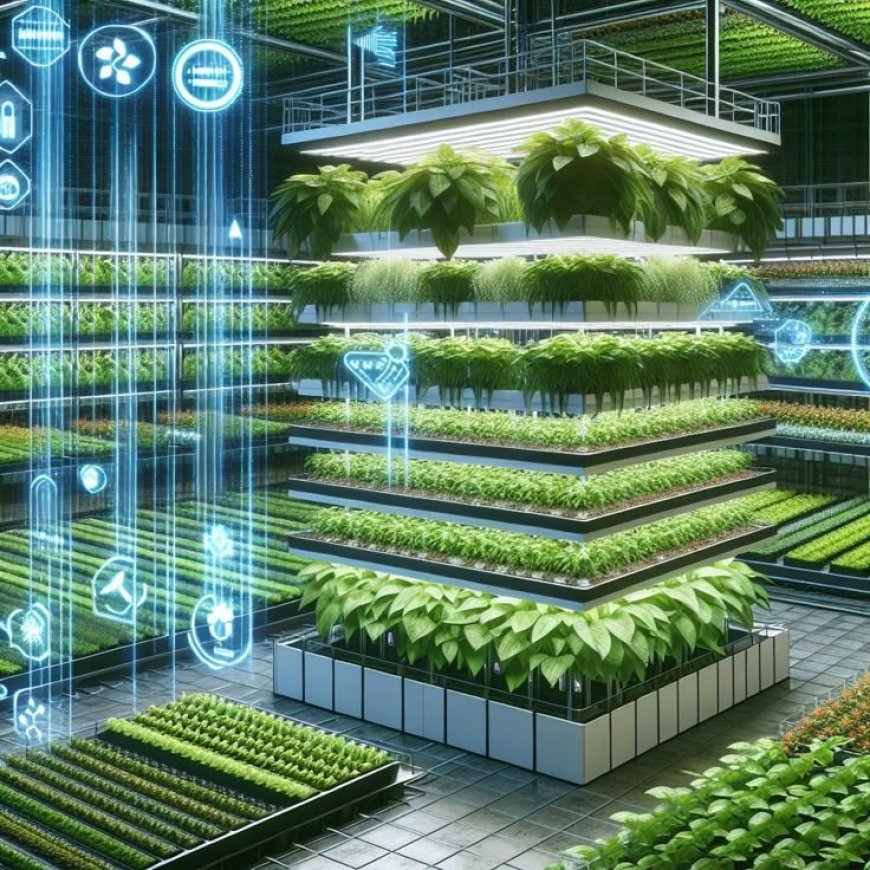 Smart City Living is rapidly evolving as cities continue to grow at an unprecedented pace. Urban planners and policymakers now face a critical challenge: how to feed expanding populations sustainably without exhausting land, water, and natural resources. In response, smart cities around the world are adopting vertical farming systems, a transformative solution that is reshaping urban living and redefining food production within city limits.
The Rise of Smart City Living
Smart City Living focuses on using technology, data, and innovation to improve the quality of life for residents. From intelligent traffic systems and energy-efficient buildings to digital governance and connected infrastructure, the goal is to create urban environments that are efficient, sustainable, and resilient. Food security has now become a vital pillar of smart city planning, especially as traditional agriculture struggles to meet growing urban demand.
Vertical farming aligns naturally with this vision. By growing crops in stacked layers within controlled environments, vertical farms enable cities to produce fresh food locally, efficiently, and year-round.
What Is Vertical Farming in Smart City Living?
Vertical farming is an advanced agricultural method that uses technologies such as hydroponics, aeroponics, and aquaponics to grow crops without soil. Plants are cultivated indoors using LED lighting, climate control, and automated nutrient delivery systems. These farms can operate in warehouses, high-rise buildings, rooftops, or repurposed urban infrastructure.
Unlike conventional farming, vertical farming uses significantly less water, eliminates pesticide use, and maximizes yield per square meter—making it ideal for space-constrained smart cities.
Integrating Vertical Farming Into Smart City Living
In Smart City Living, vertical farming systems are integrated with IoT sensors, artificial intelligence, and data analytics. These technologies monitor plant health, optimize lighting and irrigation, and predict yields with high accuracy. The result is an efficient food production system that minimizes waste and energy consumption.
Some cities embed vertical farms directly into residential complexes, commercial buildings, and public spaces, shortening supply chains, reducing emissions, and delivering fresher produce to consumers.
Environmental Benefits for Smart City Living
One of the strongest advantages of vertical farming in Smart City Living is sustainability. Traditional agriculture contributes heavily to water usage, deforestation, and carbon emissions. Vertical farming systems can use up to 90% less water and require far less land.
Local food production also reduces transportation needs, cutting fuel consumption and greenhouse gas emissions. Many smart city vertical farms operate using renewable energy sources, reinforcing sustainability goals.
Enhancing Food Security and Resilience in Smart Cities
Climate change and global supply chain disruptions have exposed weaknesses in traditional food systems. Vertical farming strengthens Smart City Living by providing consistent, reliable food production unaffected by weather conditions or seasons.
This reliability improves food security for urban populations and reduces dependence on external agricultural regions.
Economic and Social Impact of Smart City Living
Vertical farming contributes to local economies by creating skilled jobs in agriculture, technology, and data management. Residents benefit from employment opportunities and access to healthier, pesticide-free food.
Community-based vertical farms in schools and housing complexes further support education, sustainability awareness, and community engagement.
Challenges to Overcome
Despite its benefits, vertical farming in Smart City Living faces challenges such as high setup costs and energy demands. However, ongoing technological innovation and supportive policies are reducing these barriers.
Public-private partnerships and smart city incentives play a key role in accelerating adoption.
The Future of Smart City Living
Vertical farming signals a fundamental shift in how cities approach food, space, and sustainability. As smart cities evolve, food production will become an integral part of urban infrastructure rather than a distant rural activity.
Cities that embrace this model will be better prepared for population growth, environmental challenges, and long-term food security.
Conclusion
Smart City Living powered by vertical farming systems presents a sustainable and resilient future for urban environments. By combining advanced technology with innovative agriculture, cities can produce fresh food locally, reduce environmental impact, and strengthen food security. Despite challenges, the continued integration of vertical farming into smart city planning promises healthier communities, greener cities, and a more sustainable urban future.
What's Your Reaction?
 Like
0
Like
0
 Dislike
0
Dislike
0
 Love
0
Love
0
 Funny
0
Funny
0
 Angry
0
Angry
0
 Sad
0
Sad
0
 Wow
0
Wow
0